
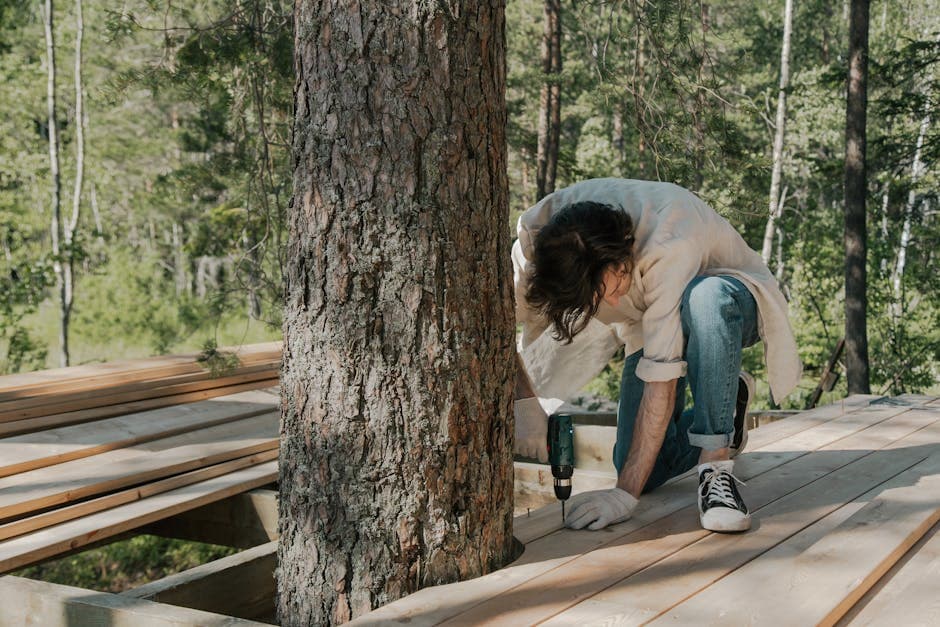
New Decks Built Right. Old
Decks Brought Back to Life.
A deck is a serious structure — joists carry tons of live load, fasteners corrode, ledger boards fail. RO builds new decks (wood, composite, PVC) to current code with proper footings, hardware, and railings, and we restore failing decks instead of writing them off when they're salvageable.
Deck Repair & Building
Guide
What It Is
Deck work covers full new builds (footings, framing, decking, railings, stairs), partial repairs (replacing rotted boards, failed ledger boards, sagging joists), and refinishing (sanding, staining, sealing). Modern code requires specific hardware: proper joist hangers, hurricane ties at framing connections, and structural-grade fasteners. DIY decks often skip these and fail catastrophically.
When You Need It
New build triggers: adding outdoor living space, replacing a rotted-out old deck, or building a deck for a hot tub. Repair triggers: bouncy or sagging deck (joist or ledger issues), rotted boards, loose railings (most common cause of deck-related injuries), or boards splintering badly. Refinishing every 2–4 years keeps wood decks looking new and prevents rot.
Cost & Timeline
New pressure-treated wood deck (200 sq ft, no stairs): $5,000–$10,000. Composite or PVC same size: $8,000–$18,000. Larger decks with stairs and railings scale up — 400 sq ft composite with stairs: $15,000–$30,000. Repair work: rotted board replacement $40–$100 per board, ledger replacement $1,500–$4,000, full railing replacement $30–$80 per linear foot. Most builds take 5–14 days; repairs 1–5 days.
Why It Matters Here
Upstate SC humidity and rainfall accelerate wood rot. Pressure-treated wood lasts 15–25 years if properly stained and sealed every 2–4 years. Composite (Trex, TimberTech) lasts 25–30 years with no maintenance. The cheapest deck (untreated wood, no maintenance) fails in 5–8 years. Lifecycle cost favors composite or properly maintained pressure-treated.
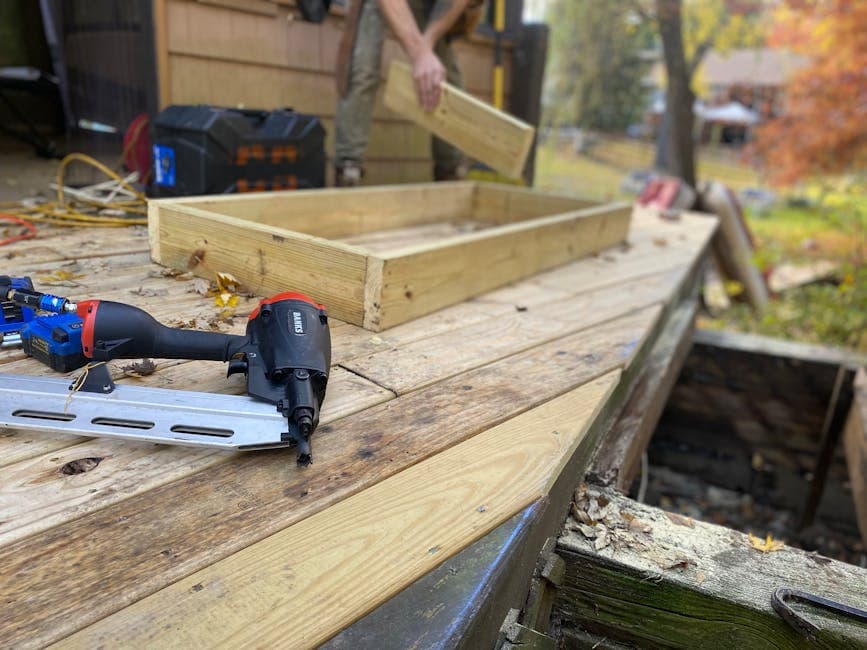
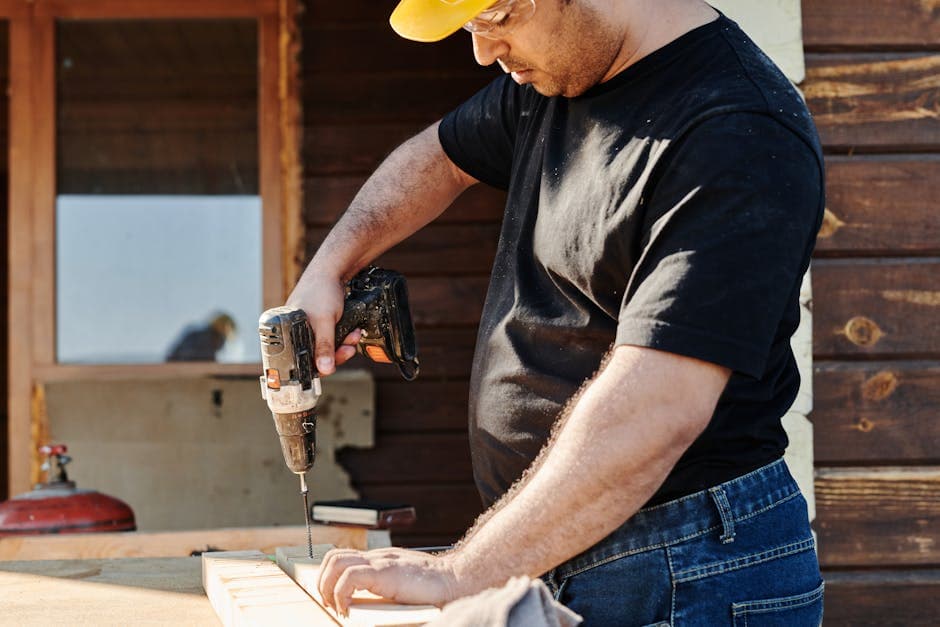
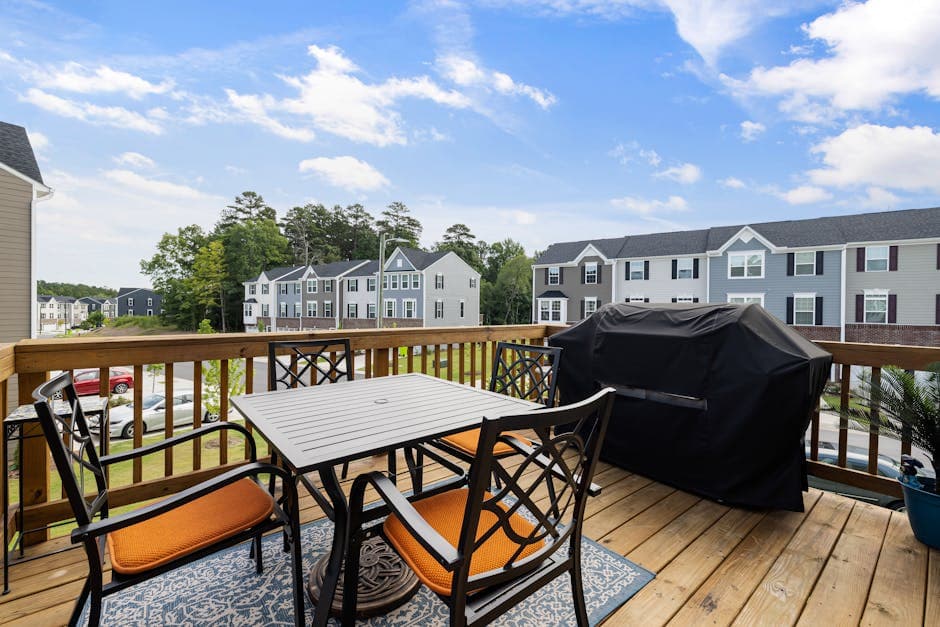
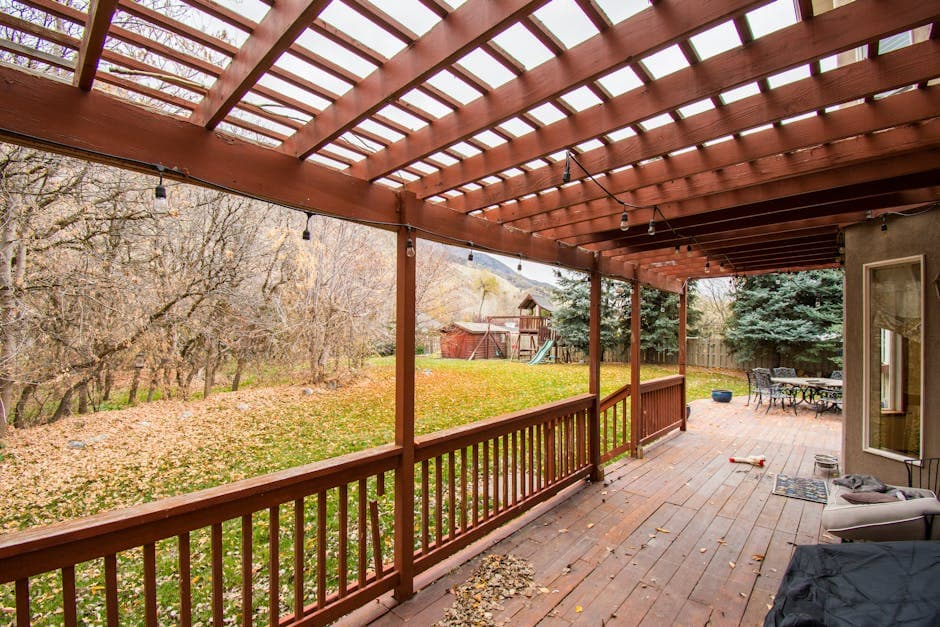
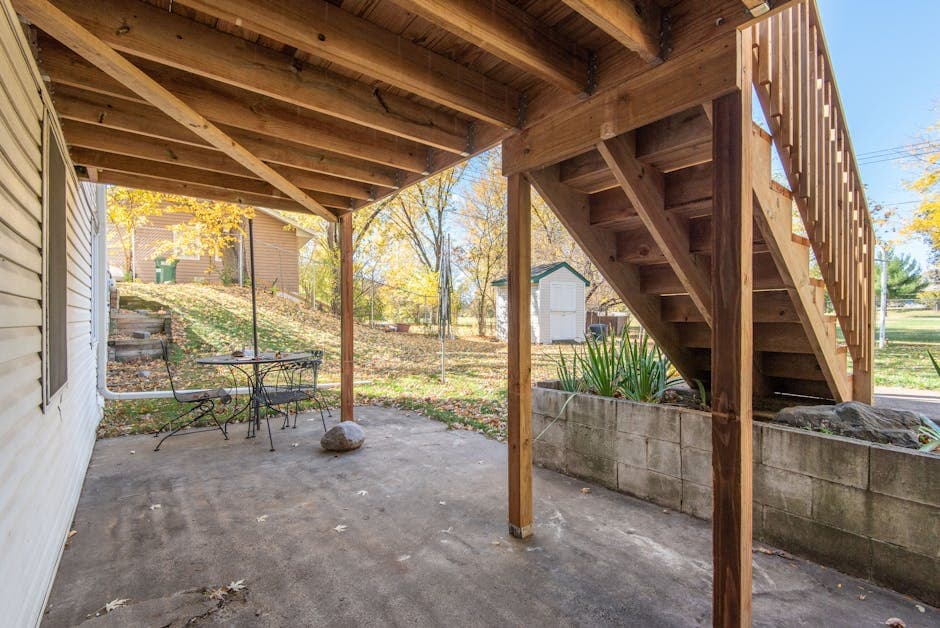
Deck Repair & Building Gallery
Warning
Signs
Bounce or movement when walking on the deck
Joists are undersized, spaced too far apart, or have rot. Bounce gets worse over time and eventually causes structural failure. Deck inspection determines root cause.
Loose or wobbly railings
The #1 cause of deck-related injuries. Posts may be rotted at the base, fasteners failed, or railing was never properly attached. Falling against a loose railing can be fatal — fix immediately.
Boards springy or soft underfoot
Decking boards are rotting from underneath where you can't easily see. Press on them with a screwdriver — if it sinks in, the board needs replacement.
Cracks in support posts
Splits parallel to the wood grain are usually cosmetic. Splits perpendicular to the grain or wide cracks indicate structural compromise — post needs replacement.
Sagging in the middle of the deck
Joists are deflecting under load. Could be undersized lumber, rot, or failed beam connections. A structural inspection determines what needs reinforcement or replacement.
Black or dark staining at ledger board
The ledger (the board attaching deck to house) is one of the most failure-prone parts of any deck. Black staining = water infiltration and rot. Failed ledgers cause deck collapses — this is urgent.
Visible rust on hardware
Joist hangers, screws, and bolts must be hot-dipped galvanized or stainless steel. Rust means the hardware is failing — and rust on screws can split the wood around them, accelerating failure.
Maintenance
Tips
Our
Process
Design & Permit
For new builds, we design to your space and needs, calculate load requirements, and pull required building permits. SC requires permits for any deck attached to the house — we handle all of it.
Footings & Framing
Footings dug to frost depth and inspected before pour. Posts set, beams sized to span, joists installed with proper hangers, ledger lag-bolted to house with flashing to prevent water infiltration.
Decking Installation
Boards installed with proper gapping for expansion (especially composite), hidden fasteners or stainless screws to prevent rust streaks. Rim board finished cleanly. Stairs framed with proper rise/run code.
Railings & Finish
Railings installed with code-compliant height (36–42") and baluster spacing (less than 4" gap). Posts notched into framing for strength, not just surface-mounted. Stain or sealer applied to wood decks.
Inspection & Walk-Through
Local building inspector signs off on the work. We walk you through the deck, point out maintenance considerations, and provide warranty documentation. Cleanup includes removing all construction debris.
Cost & Lifespan
Prices are estimates for Upstate SC — get a real quote for your project.
FAQ
Explore More
Get Your
Quote
Call us directly or request a quote online. No pressure, no upselling — just honest answers about your deck repair & building needs.
(864) 304-0139