
Sidewalks, Driveways, Slabs —
Repaired or Replaced Right
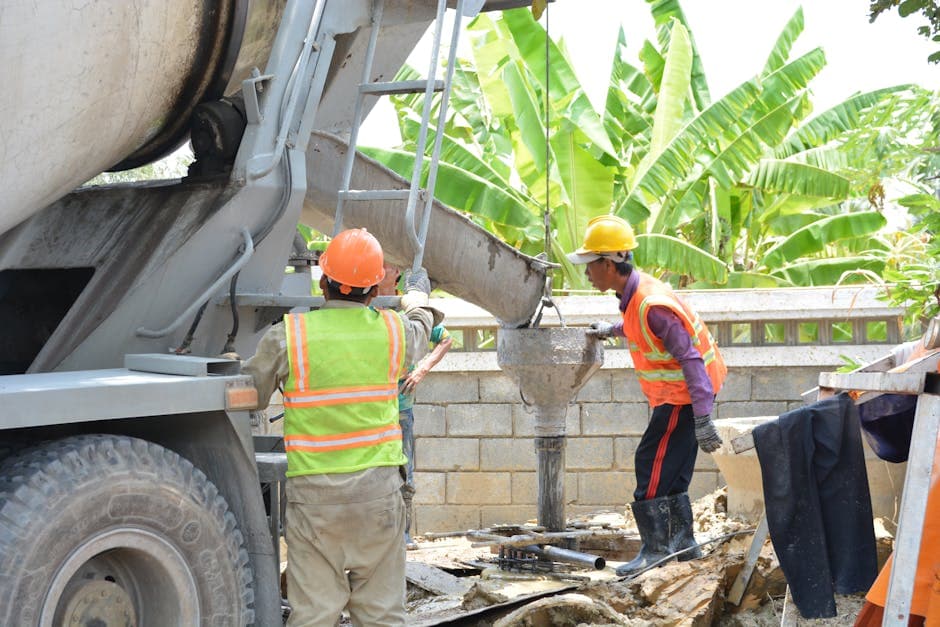
Cracked walkways are trip hazards. Spalling driveways look terrible and trap water that makes cracks worse. RO repairs and replaces residential concrete — sidewalks, driveways, patios, garage floors, small slabs — with proper subgrade prep, reinforcement, and finishing for surfaces that last decades.
Concrete Patchwork
Guide
What It Is
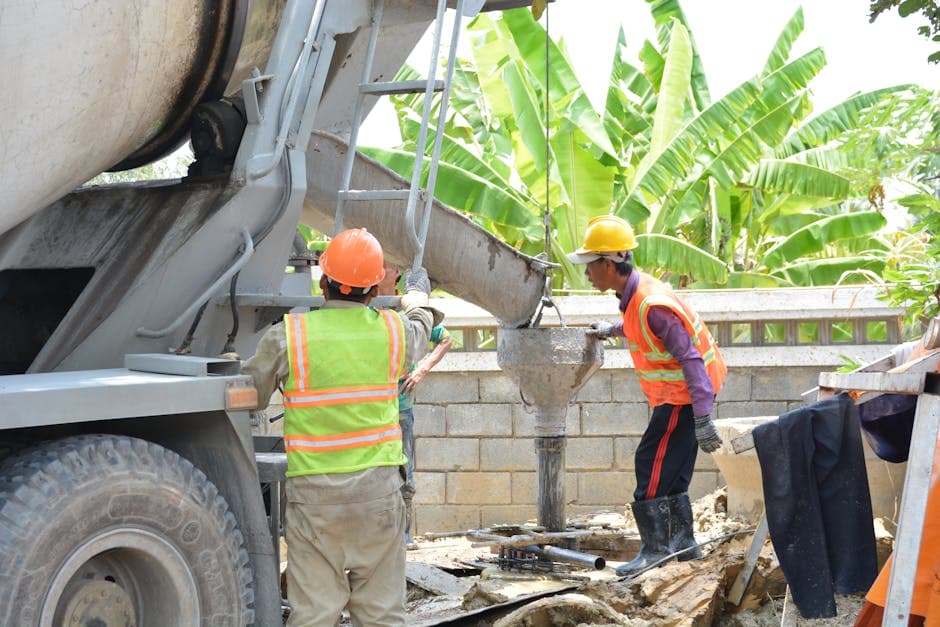
Concrete work covers repair (crack sealing, spall repair, surface resurfacing) and full replacement (sidewalks, driveways, patios, slabs, walkway extensions). New concrete requires proper subgrade preparation (compacted gravel base), forming, reinforcement (rebar or wire mesh), proper concrete mix, finishing technique, and curing time. Skipping any of these causes premature failure.
When You Need It
Repair triggers: cracks wider than 1/4 inch, lifted/sunken sections (trip hazards), spalling surface (flaking off in chunks), or surface deterioration from de-icing salts. Replacement triggers: extensive cracking throughout, sections that have settled significantly, or just wanting an upgrade (stamped concrete, pavers integrated, etc.).
Cost & Timeline
Crack sealing: $150–$500 depending on length. Spall repair (small areas): $300–$800. Sidewalk section replacement: $8–$15 per square foot. Standard driveway (600 sq ft): $4,000–$8,000. Stamped or colored concrete: 30–60% more than plain. Most repairs take 1 day; new pours take 1–2 days, with 7–14 days curing before heavy use, 28 days for full strength.
Why It Matters Here
Upstate SC freeze-thaw cycles damage concrete that wasn't poured properly. Insufficient air entrainment in the mix causes spalling. Inadequate subgrade prep causes settling and cracking. Proper concrete pours (correct mix, proper subgrade compaction, reinforcement, controlled curing) last 30+ years. Cheap pours fail in 5–10 years.
Concrete Patchwork Gallery
Warning
Signs
Cracks wider than 1/4 inch
Hairline cracks are normal and usually cosmetic. Cracks you can fit a quarter into mean ground movement, water infiltration, or structural failure. Sealing prevents water entry that worsens damage.
Lifted or sunken sections
Subgrade has settled (sunken) or tree roots/frost has lifted concrete. Trip hazard requiring grinding (small differences) or replacement of affected sections (large differences).
Surface flaking off in chunks (spalling)
Common in older concrete or where de-icing salts were used. Surface layer fails. Resurfacing applies a new top layer; severe spalling requires replacement of the slab.
Pooling water on a flat surface
Concrete settled or was never properly sloped. Standing water accelerates damage and causes ice in winter. Replacement with proper slope (1/8 inch per foot minimum) prevents recurrence.
White powder on surface (efflorescence)
Salt deposits from water moving through concrete. Cosmetic but indicates moisture infiltration. Sealing with concrete sealer prevents and reduces.
Visible rebar showing
Concrete cover over rebar has been broken away. Rebar will rust and expand, causing more concrete to break off. Spot repair with patching compound or section replacement.
Tree roots lifting concrete
Root pressure can crack and lift slabs. Removing the tree (rarely good option), root barriers, or sectional replacement with reinforcement to resist root pressure.
Maintenance
Tips
Our
Process
Demolition (if replacing)
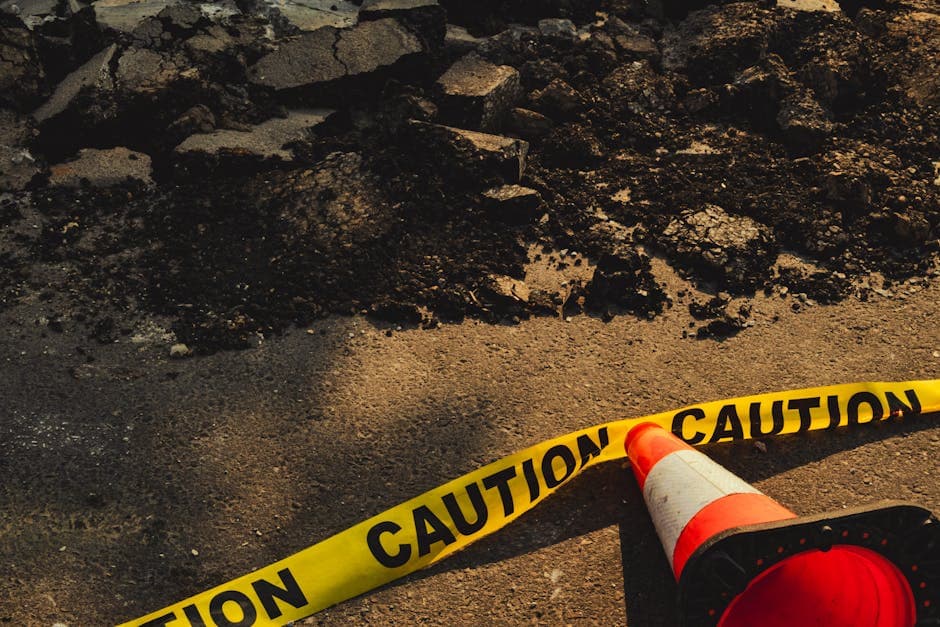
Old concrete broken up with jackhammer or saw, chunks hauled away, area cleared down to subgrade. We use saw cuts where partial replacement is needed for clean edges.
Subgrade Preparation
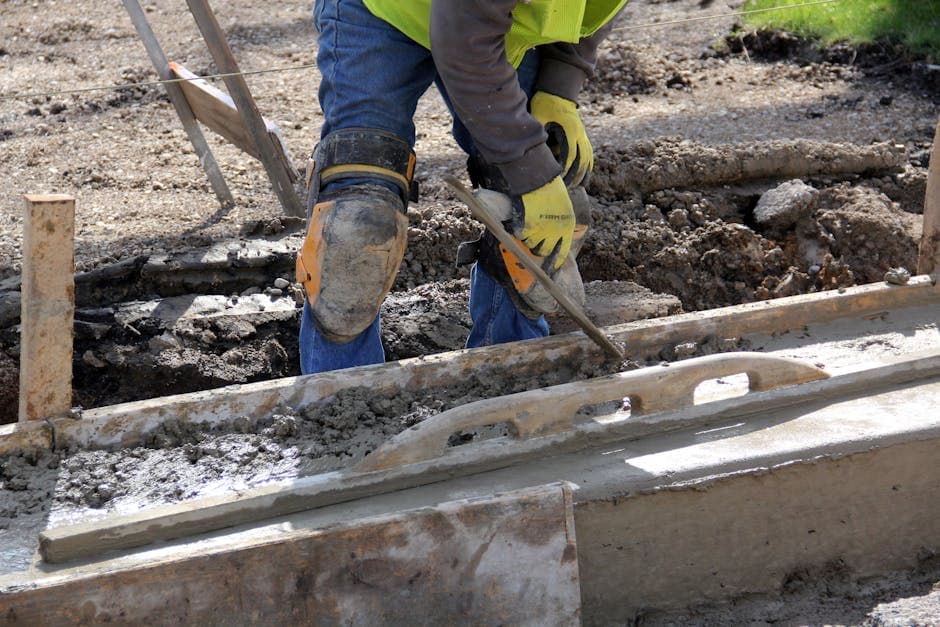
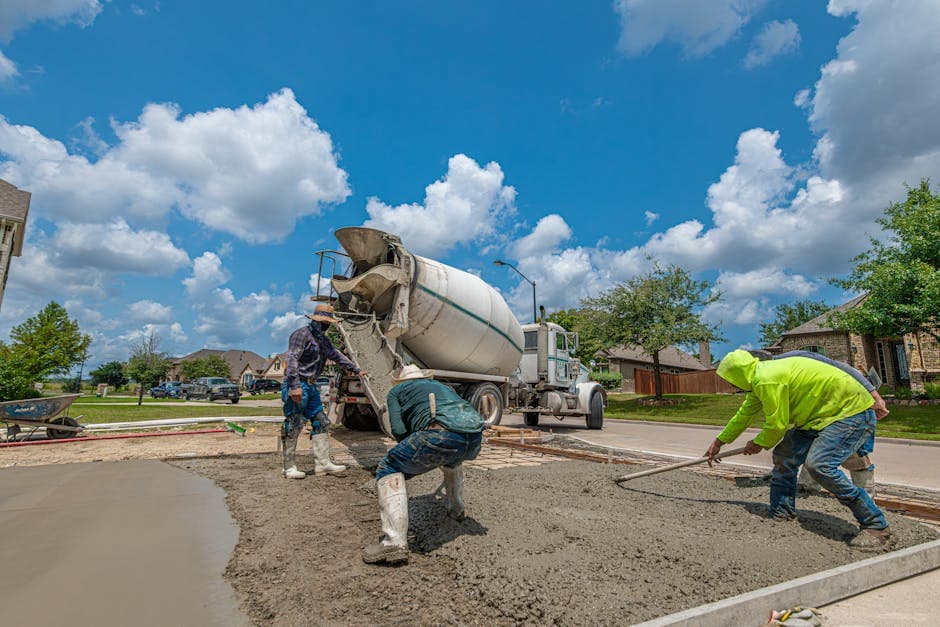
Soil compacted, gravel base laid (2–4 inches typical), gravel compacted, edges formed with lumber or composite forms. This step prevents future settling — skipping it means cracked concrete within years.
Reinforcement
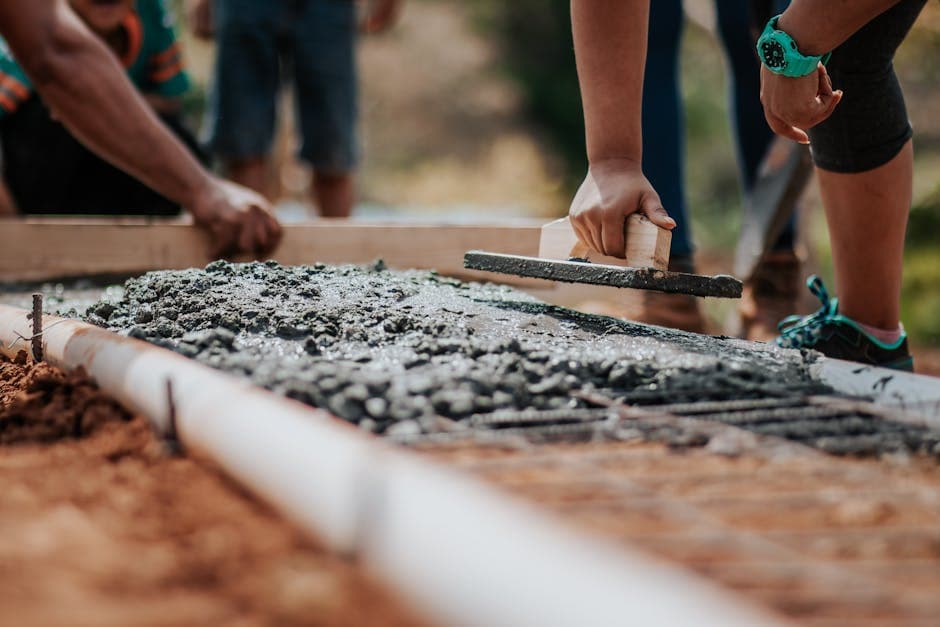
Rebar grid (#4 rebar at 18" spacing for driveways) or wire mesh placed on chairs to position it in the middle of the pour depth. Reinforcement is what prevents cracks from spreading once they start.
Pour & Finish
Concrete poured (proper PSI mix for the application, usually 3,500–4,000 PSI for residential), screeded level, edged at form lines, then finished with bull float and trowel. Texture (broom finish typical) added before set.
Cure & Seal
Concrete covered with curing compound or kept moist for 7+ days for proper strength development. Vehicles off for 7–14 days, full strength at 28 days. Sealer applied after 28 days for protection.
Cost & Lifespan
Prices are estimates for Upstate SC — get a real quote for your project.
FAQ
Explore More
Get Your
Quote
Call us directly or request a quote online. No pressure, no upselling — just honest answers about your concrete patchwork needs.
(864) 304-0139