
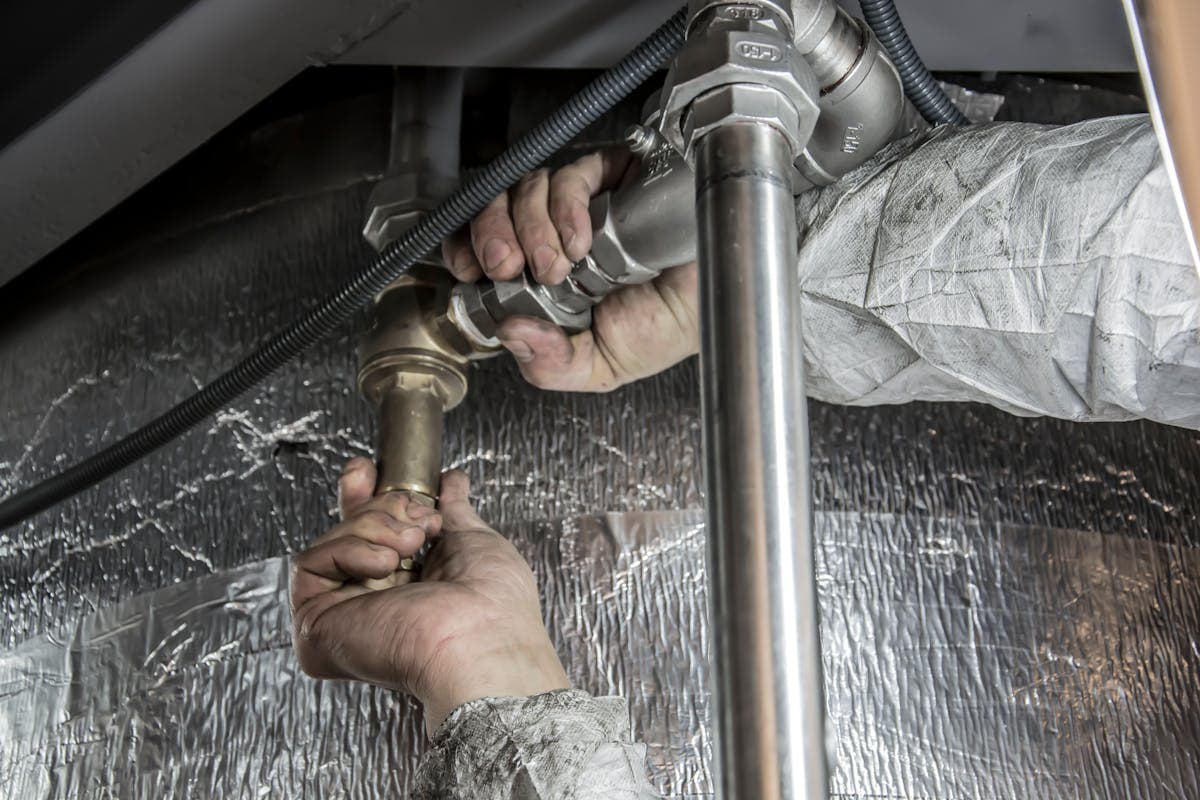
Old Pipes Out.
Reliable Flow In.
Galvanized steel corrodes from the inside. Polybutylene cracks without warning. If your home was built before 1990 and still has original supply lines, every day is borrowed time. RO's plumbing crew replaces failing pipe systems with modern copper or PEX — restoring full water pressure, eliminating rust-colored water, and ending the cycle of patch repairs.
Pipe Repair & Re-Piping
Guide
What It Is
Pipe repair fixes isolated failures — pinhole leaks, corroded fittings, frozen pipe damage. Re-piping replaces the entire supply line system throughout your home, from the main shutoff to every fixture. Modern re-pipes use either copper (the gold standard, 50+ year lifespan) or PEX (cross-linked polyethylene, flexible, freeze-resistant, 25–50 year lifespan). The choice depends on your budget, home layout, and local code requirements.
When You Need It
Three pipe materials demand attention: Galvanized steel (pre-1960s) corrodes from the inside, building up scale that chokes water pressure and produces rust-colored water. Polybutylene (1978–1995, gray pipes) degrades from chlorine in municipal water and fails without warning — insurers often refuse coverage. Lead supply lines (pre-1950s) are a health hazard with no safe exposure level. If you have any of these, re-piping isn't optional.
Cost & Timeline
Spot repairs range from $150–$500 per fix. A full re-pipe for a typical 1,500–2,500 sq ft home costs $4,000–$10,000 with PEX or $6,000–$15,000 with copper. PEX is faster to install (fewer fittings, flexible routing) and typically saves 30–40% over copper. Timeline: spot repairs are same-day; full re-pipes take 2–5 days depending on home size and accessibility.
Why It Matters Here
South Carolina's clay-heavy soil shifts seasonally, stressing underground pipes and slab connections. Our warm, humid climate accelerates corrosion in galvanized lines. And Upstate SC water — while safe — carries enough minerals to build scale in aging pipes faster than cooler, drier regions. A re-pipe doesn't just fix today's leak; it eliminates the source of the next twenty.
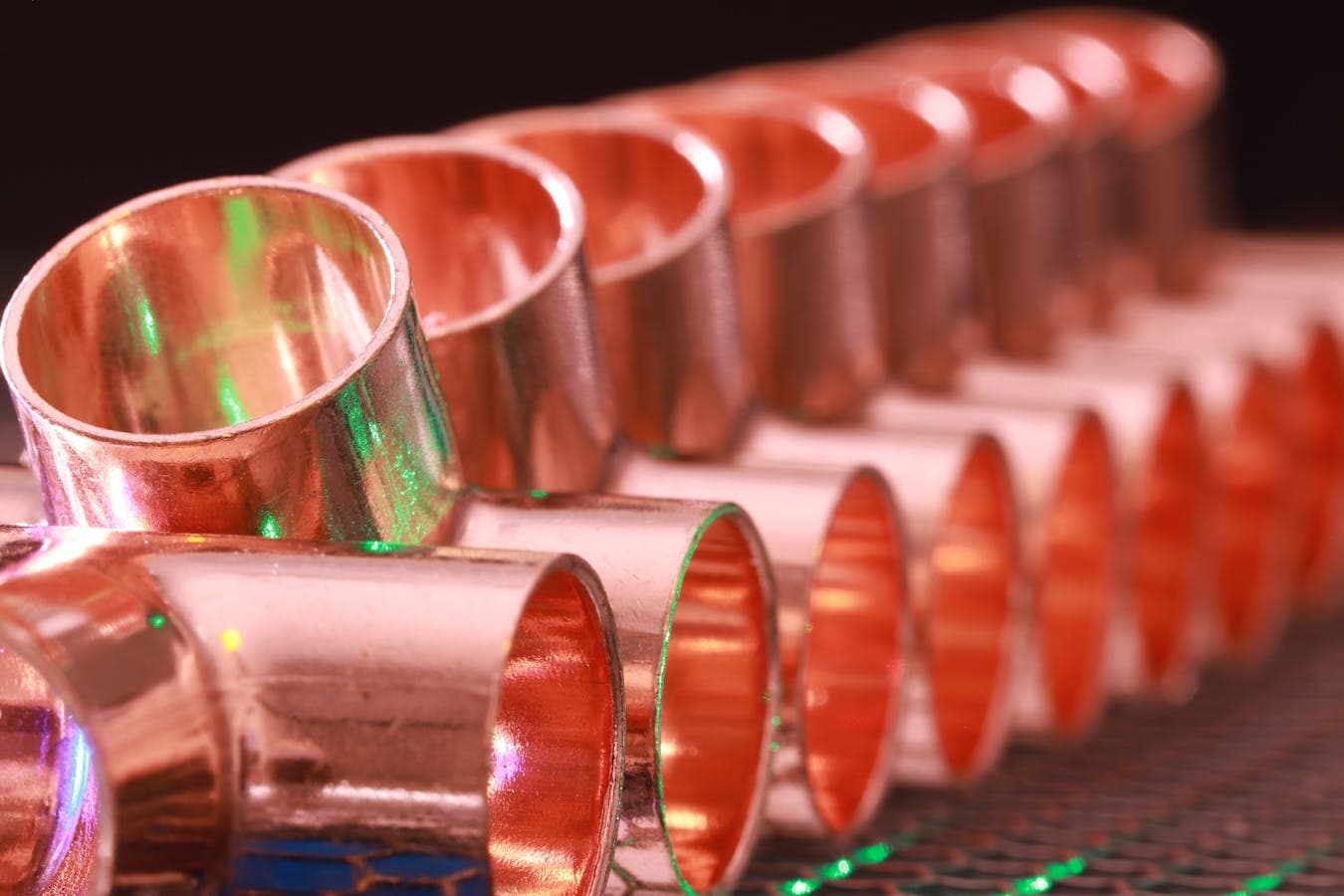
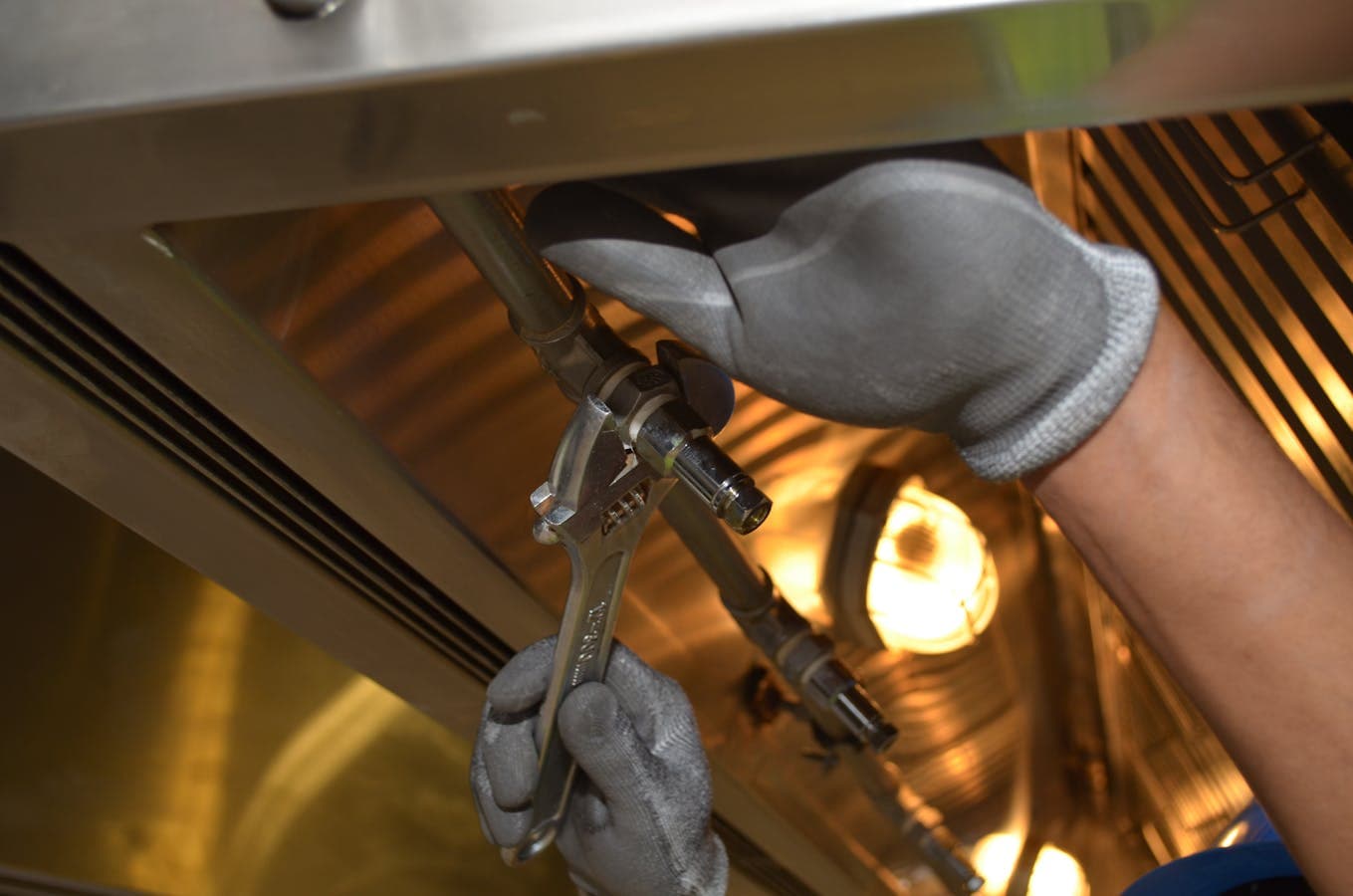
Pipe Repair & Re-Piping Gallery
Warning
Signs
Rust-colored or brown water from hot taps
Galvanized pipes corrode from the inside. Discolored hot water means your galvanized supply lines are deteriorating and shedding iron oxide into your water.
Low water pressure throughout the house
If pressure is low at multiple fixtures, the pipes themselves are likely restricted by internal scale buildup — no amount of valve adjustment will fix corroded pipes.
Pinhole leaks appearing in copper lines
Pinhole leaks in copper indicate aggressive water chemistry eating through the pipe walls. One pinhole means more are coming — targeted repairs only buy time.
Visible corrosion or green staining at pipe joints
Green patina on copper fittings or white/orange crust on galvanized joints means active corrosion. The joints are the weakest points and fail first.
Your home has gray polybutylene pipes
Polybutylene was the subject of a $1 billion class-action settlement due to catastrophic failure rates. If you see gray flexible pipes at your water heater or main shutoff, replacement is strongly recommended.
Water damage stains on walls or ceilings with no obvious source
Hidden leaks behind walls are common in older supply lines. By the time you see the stain, the leak has been active for days or weeks.
Your water heater was recently replaced but water is still discolored
If new equipment didn't fix the discolored water, the problem is the supply pipes feeding it — not the heater itself.
Maintenance
Tips
Our
Process
Inspection & Assessment
We inspect your visible plumbing, check water pressure at multiple fixtures, identify pipe material and age, and look for signs of active corrosion or leaks. You get a clear assessment: repair or re-pipe.
Scope & Estimate
For re-pipes, we map every supply line run, plan the routing (PEX or copper), identify wall access points, and provide a detailed written estimate. No surprises mid-job.
Water Shutoff & Installation
We shut off the main water supply, remove the old piping (where accessible), and install new supply lines to every fixture. PEX uses manifold systems for fewer fittings; copper is soldered joint by joint.
Testing & Pressure Check
Every new line is pressure-tested to verify zero leaks before we close any walls. We check flow rates at every fixture and verify proper hot/cold separation.
Wall Repair & Cleanup
Any wall openings are patched and finished. We clean up all debris, remove old piping, and walk you through the new system — where shutoffs are, what to watch for, and when to call us.
Cost & Lifespan
Prices are estimates for Upstate SC — get a real quote for your project.
FAQ
Explore More
Get Your
Quote
Call us directly or request a quote online. No pressure, no upselling — just honest answers about your pipe repair & re-piping needs.
(864) 304-0139