
Safe. Tested.
Code-Compliant.
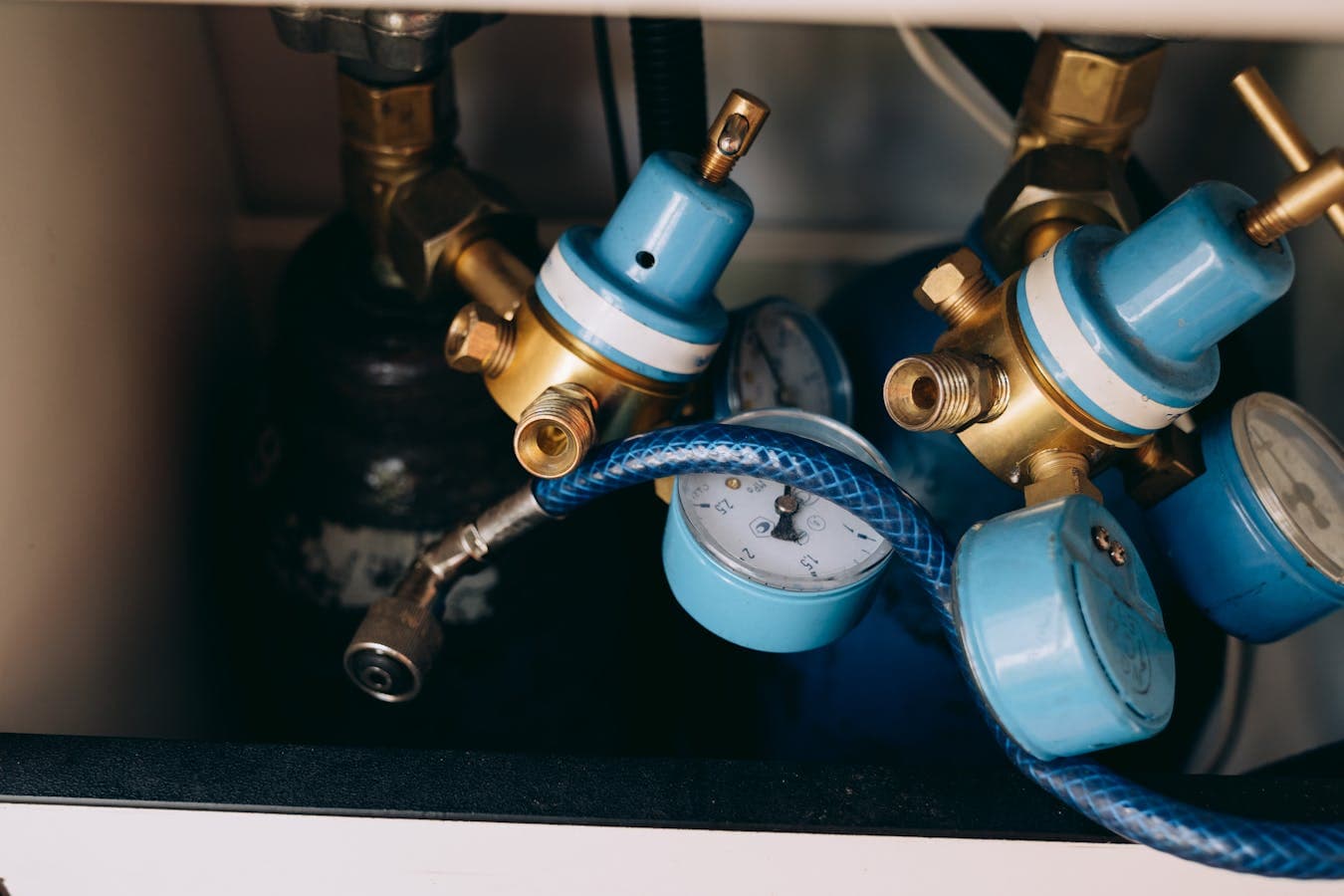
Gas work requires zero tolerance for error. RO's licensed plumbers install, repair, and extend natural gas and propane lines for stoves, dryers, water heaters, fireplaces, generators, and outdoor grills. Every connection is pressure-tested, leak-checked, and inspected. We don't cut corners on the one system in your home where shortcuts can be fatal.
Gas Line Services
Guide
What We Do
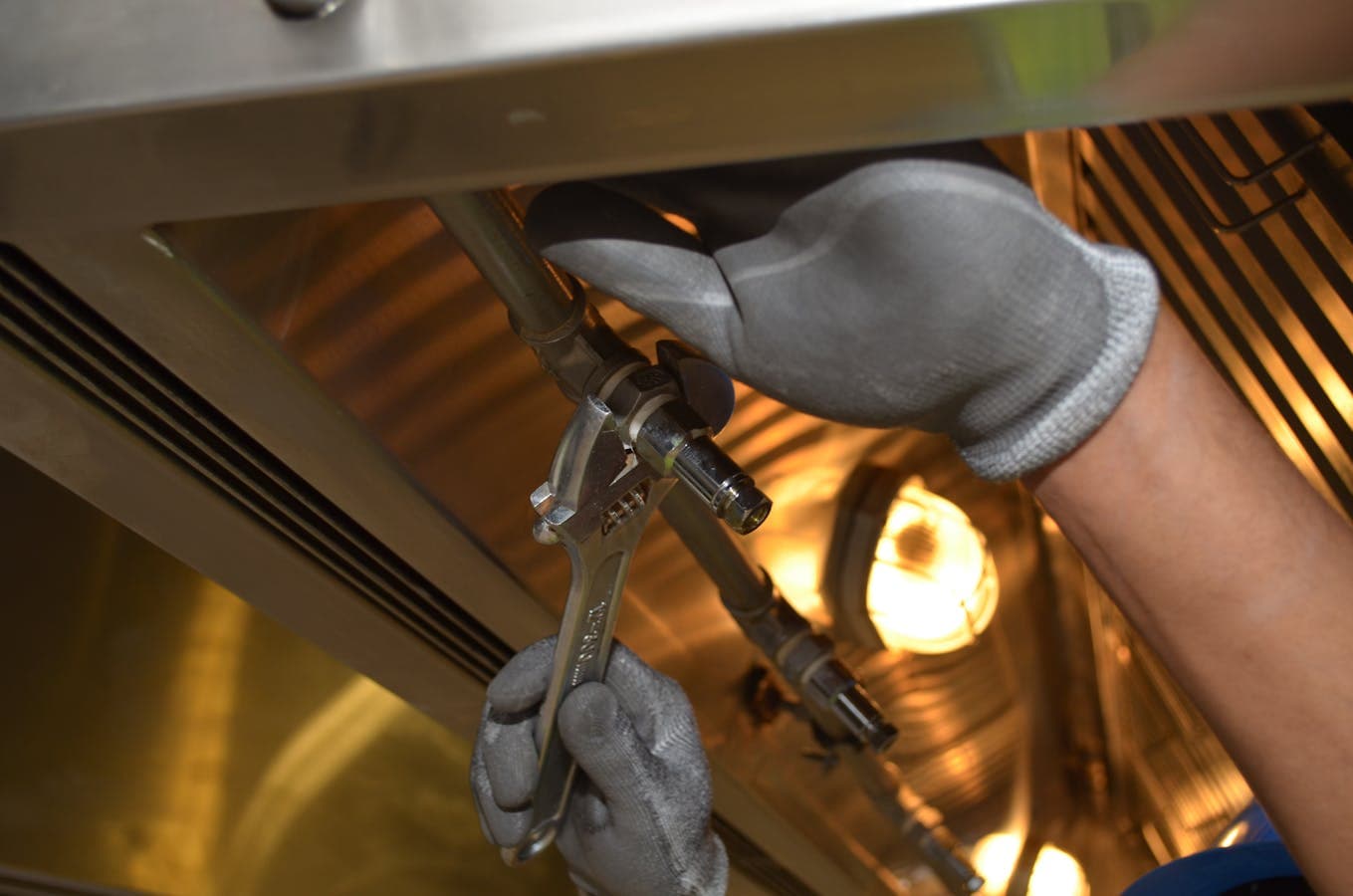
We install new gas lines, extend existing lines to new appliance locations, repair leaks, replace corroded sections, and hook up gas appliances. Common projects: running a gas line to a new stove (from electric conversion), adding an outdoor gas grill connection, hooking up a gas dryer, connecting a gas fireplace or fire pit, and running gas to a standby generator. All work is permitted and inspected.
Materials & Methods
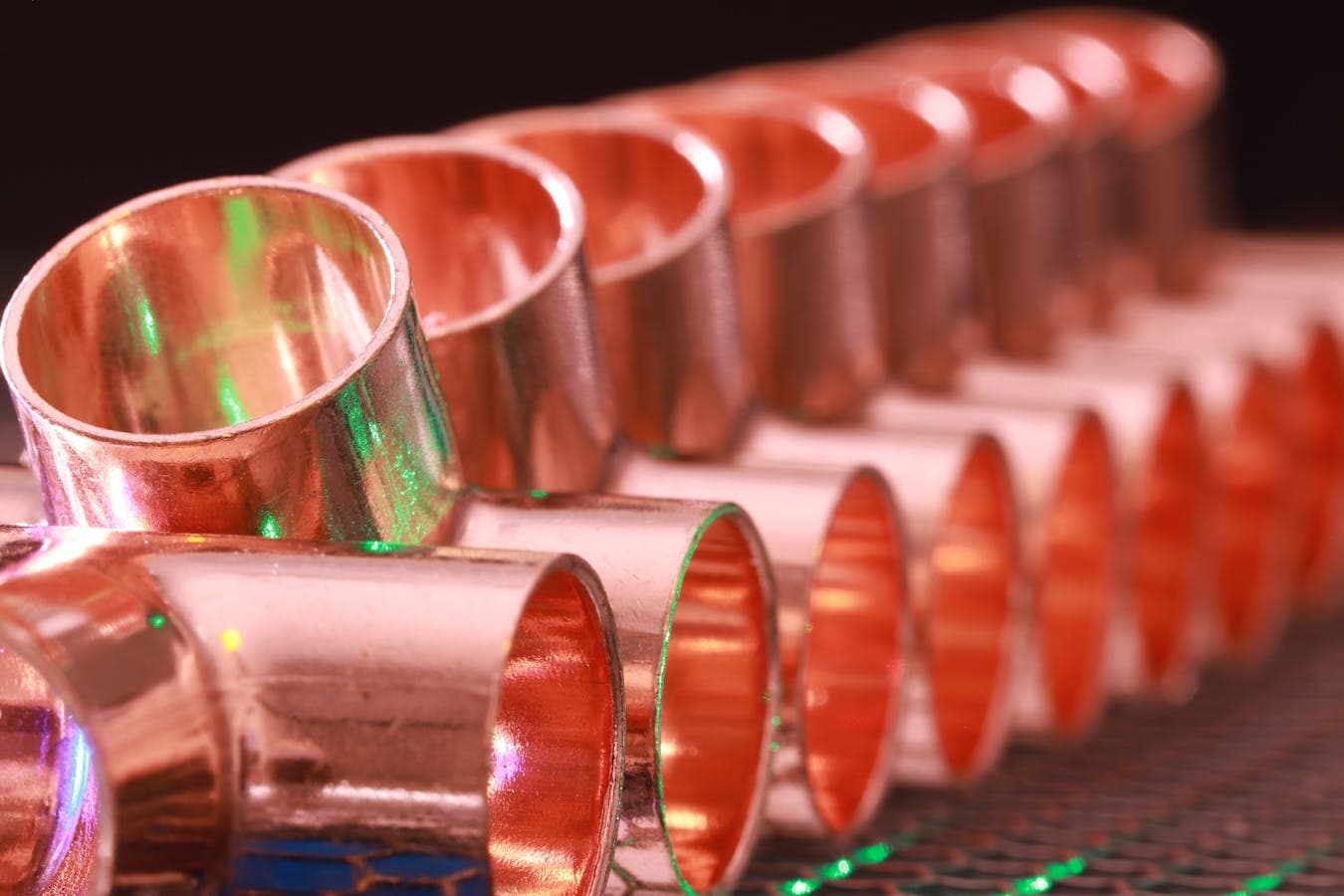
Residential gas lines use black iron pipe (the traditional standard), CSST (corrugated stainless steel tubing — flexible, faster to install), or in some cases copper. CSST has become the preferred method for interior runs due to faster installation and fewer joints. All connections are made with approved fittings, threaded joints use pipe compound (not Teflon tape on gas), and every line is pressure-tested before gas is turned on.
Cost & Permits
A gas line run of 20–30 feet to a new appliance typically costs $300–$800, including the line, fittings, shutoff valve, and connection. Longer runs, multiple branch lines, or lines requiring wall/floor penetrations push costs to $800–$2,000. Gas permits are required for all new gas work in South Carolina and cost $50–$150. The permit ensures an inspector verifies the installation before gas flows.
Safety First
Natural gas is odorized with mercaptan (rotten egg smell) specifically so leaks are detectable. But even small leaks in enclosed spaces create explosion risk. We pressure-test every installation at 1.5x operating pressure and hold the test for a minimum of 15 minutes. Every joint is soap-tested. No gas flows until we're certain the system is tight. Gas work is one area where "good enough" doesn't exist.
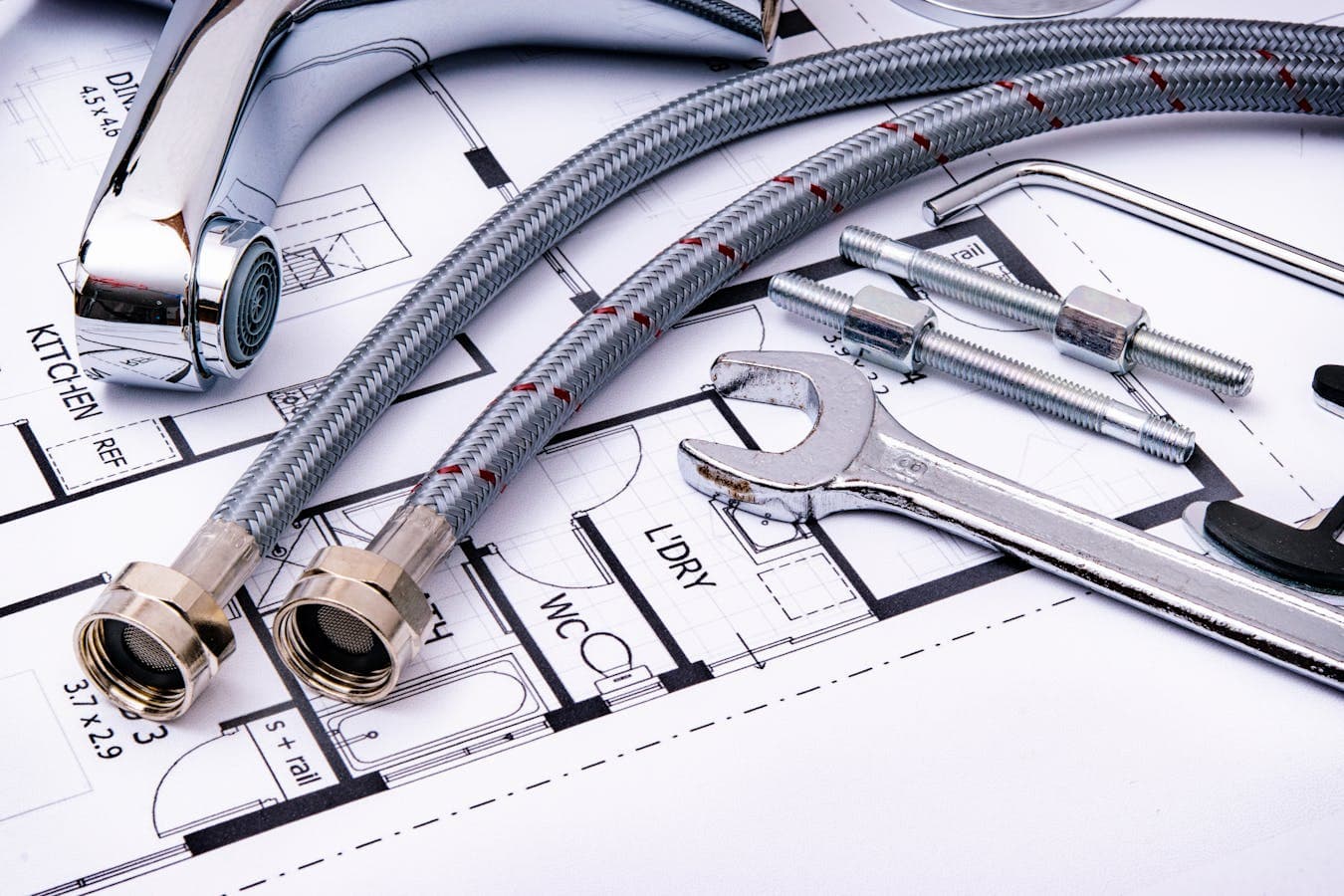
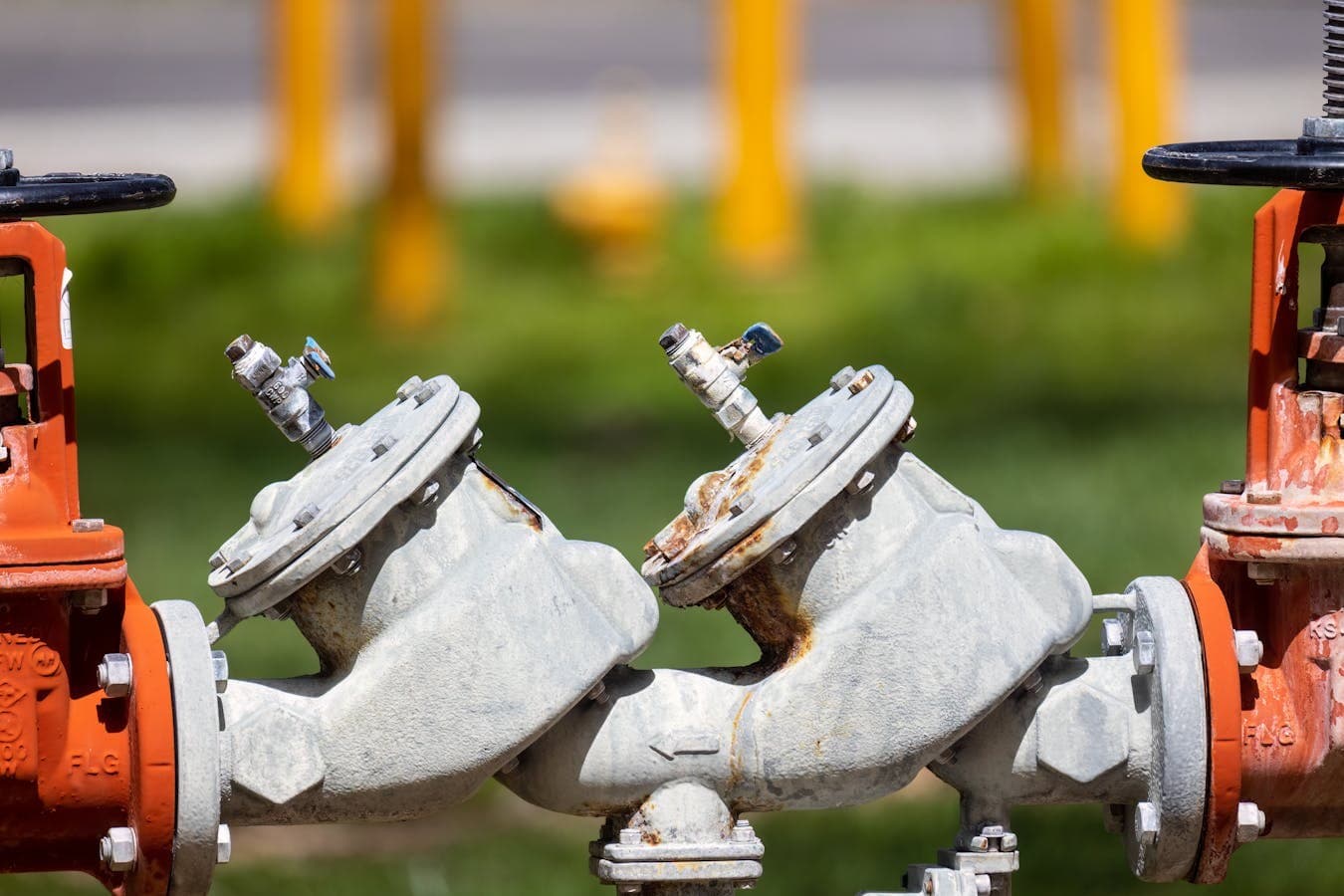
Gas Line Services Gallery
Warning
Signs
Rotten egg or sulfur smell near gas appliances
This is the mercaptan odorant added to natural gas. Even a faint smell means gas is escaping somewhere. Open windows, don't operate light switches, and call immediately. If the smell is strong, leave the house and call 911.
Hissing sound near a gas line or appliance
A hissing sound indicates gas escaping under pressure. This is a serious leak requiring immediate attention. Don't try to find or fix it yourself.
Dead or dying vegetation in a line above a buried gas line
Underground gas leaks displace oxygen in the soil, killing grass and plants above the leak path. If you see a strip of dead vegetation in your yard, it may follow a gas line route.
Pilot lights that won't stay lit
A pilot that repeatedly goes out may indicate a faulty thermocouple (simple fix) or inadequate gas pressure in the line — which means the supply line may be undersized or partially blocked.
Yellow or orange burner flames instead of blue
A properly burning gas flame is blue. Yellow or orange flames mean incomplete combustion — the gas-air mixture is wrong. This produces carbon monoxide and needs immediate adjustment.
Higher-than-expected gas bills
A slow gas leak can increase your bill without producing an obvious smell. If your gas usage spikes without a change in habits, have the system pressure-tested.
Maintenance
Tips
Our
Process
Consultation & Planning
We evaluate where the gas line needs to go, measure the run distance, determine pipe sizing (based on total BTU load), and plan the routing to minimize wall penetrations and visible pipe.
Permitting
We pull the gas permit from the local authority. This is non-negotiable — unpermitted gas work is dangerous, illegal, and voids your insurance. The permit fee is included in our pricing.
Installation
The gas line is run from the existing supply (or meter) to the appliance location using black iron pipe or CSST. Branch lines, shutoff valves, and drip legs are installed per code. All joints are made with approved methods.
Pressure Testing
We pressurize the new line to 1.5x operating pressure (typically 6 PSI for a 4 PSI system) and hold the test for a minimum of 15 minutes. Every joint is soap-tested for bubbles. Zero leaks is the only acceptable result.
Inspection & Appliance Connection
The local inspector verifies our work meets code. Once passed, we connect the appliance, verify proper flame and operation, check venting, and walk you through the new shutoff valve location.
Cost & Lifespan
Prices are estimates for Upstate SC — get a real quote for your project.
FAQ
Explore More
Get Your
Quote
Call us directly or request a quote online. No pressure, no upselling — just honest answers about your gas line services needs.
(864) 304-0139