
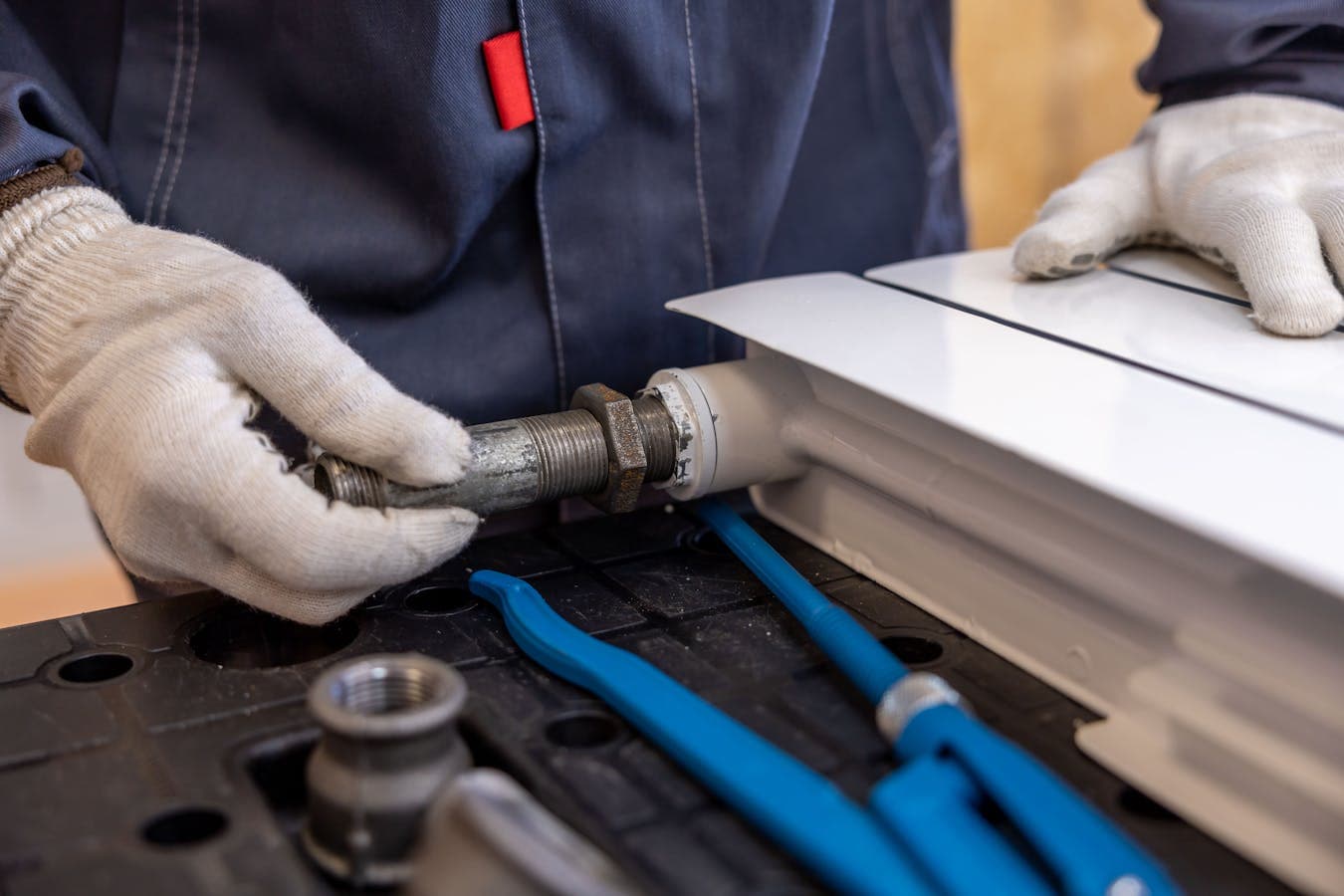
Clogs Cleared. Sewer
Lines Restored.
From a slow kitchen drain to a collapsed sewer main, RO handles the full spectrum of drain and sewer work. We use camera inspection to diagnose before we dig, hydro-jetting to clear what snaking can't, and trenchless technology to replace sewer lines without destroying your yard. No guesswork — just answers and solutions.
Drain Cleaning & Sewer
Guide
Drain Clearing Methods
Snaking (drain auger) handles most household clogs — hair, grease, soap buildup. It's fast, affordable ($100–$300), and effective for single-drain issues. Hydro-jetting uses high-pressure water (3,000–4,000 PSI) to scour the entire pipe interior, removing grease, scale, and tree root intrusion. It's the most thorough cleaning available ($250–$600) and the only method that restores full pipe diameter.
Camera Inspection
A waterproof camera on a flexible cable is fed through your drain or sewer line, showing real-time video of the pipe interior. We see exactly what's causing the problem — roots, cracks, bellied sections, collapsed areas, or blockages. This eliminates guesswork and prevents unnecessary work. Camera inspection costs $150–$400 and is included with any sewer line repair we perform.
Sewer Line Repair & Replacement
Traditional sewer replacement means trenching your yard to access and replace the pipe. Trenchless methods (pipe bursting and pipe lining) replace or rehabilitate the line through small access points at each end — no trenching, no landscape destruction. Trenchless repairs cost $80–$250 per linear foot; traditional trenching runs $50–$200 per foot but adds $2,000–$5,000+ in landscape restoration. We recommend trenchless whenever the pipe condition allows it.
Why It Matters Here
Upstate SC's mature tree canopy means root intrusion is the #1 cause of sewer line failure. Clay pipes (common in homes built before 1970) are especially vulnerable — tree roots exploit the joints and grow inside the pipe. Orangeburg pipe (compressed wood fiber, used 1945–1972) is reaching end of life throughout the region and collapses under soil pressure. If your home is 40+ years old and on original sewer lines, a camera inspection is the smartest $300 you can spend.
Drain Cleaning & Sewer Gallery
Warning
Signs
Multiple slow drains throughout the house
A single slow drain is usually a local clog. Multiple slow drains simultaneously means the main sewer line is partially blocked — a problem that will get worse, not better.
Sewage smell inside or outside the home
Sewer gas contains methane and hydrogen sulfide. A persistent sewage smell indicates a cracked or disconnected drain line, a dry trap, or a failing sewer main. Don't ignore it — it's a health hazard.
Gurgling sounds from drains or toilets
Gurgling means air is being pulled through the water in your traps, which happens when a downstream blockage creates a vacuum. It's an early warning of a developing sewer obstruction.
Water backing up in the lowest fixtures
When the sewer main is blocked, water backs up from the lowest point — typically a basement floor drain or first-floor shower. This is an emergency requiring immediate attention.
Wet spots or unusually green patches in the yard
A leaking sewer line fertilizes the soil above it. If one section of your yard is greener than the rest or stays soggy without rain, the sewer line below may be cracked or separated.
Recurring clogs in the same drain
A drain that clogs repeatedly in the same location has a structural problem — root intrusion, a bellied section trapping debris, or a partial collapse. Snaking is a temporary fix; the pipe needs repair.
Maintenance
Tips
Our
Process
Diagnosis
We start with the symptom — slow drain, backup, smell — and determine whether it's a local clog or a mainline issue. For sewer problems, we run a camera inspection to see exactly what's happening inside the pipe.
Clearing
For clogs, we snake or hydro-jet depending on severity. Snaking breaks through the blockage; hydro-jetting scours the pipe clean. You see camera footage before and after so you know exactly what was done.
Assessment
If the camera reveals structural damage (cracks, bellies, root intrusion, collapse), we assess the repair options: spot repair, trenchless lining, pipe bursting, or traditional replacement. You get a clear recommendation with costs.
Repair or Replace
We execute the chosen repair method. Trenchless work requires only small access pits; traditional work involves careful excavation with attention to landscape, sprinklers, and hardscape that need restoration.
Verification & Cleanup
Final camera inspection confirms the repair is complete and the line flows freely. Any excavation is backfilled and compacted. You receive camera footage for your records and insurance.
Cost & Lifespan
Prices are estimates for Upstate SC — get a real quote for your project.
FAQ
Explore More
Get Your
Quote
Call us directly or request a quote online. No pressure, no upselling — just honest answers about your drain cleaning & sewer needs.
(864) 304-0139