
Routine Maintenance That Keeps
Your System Alive
Every septic tank fills up. Sludge and scum build on the bottom and top, and once they crowd the outlet baffle, solids start flowing into your drain field — permanently damaging it. RO coordinates professional pumping on a 3–5 year cycle so your tank keeps doing its job and your drain field lasts decades longer.
Septic Pumping
Guide
What It Is
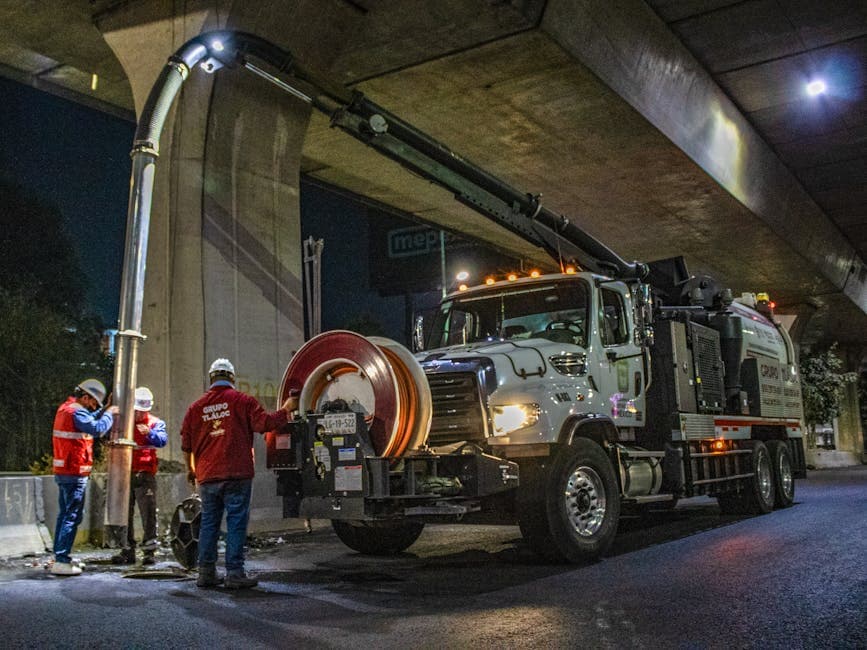
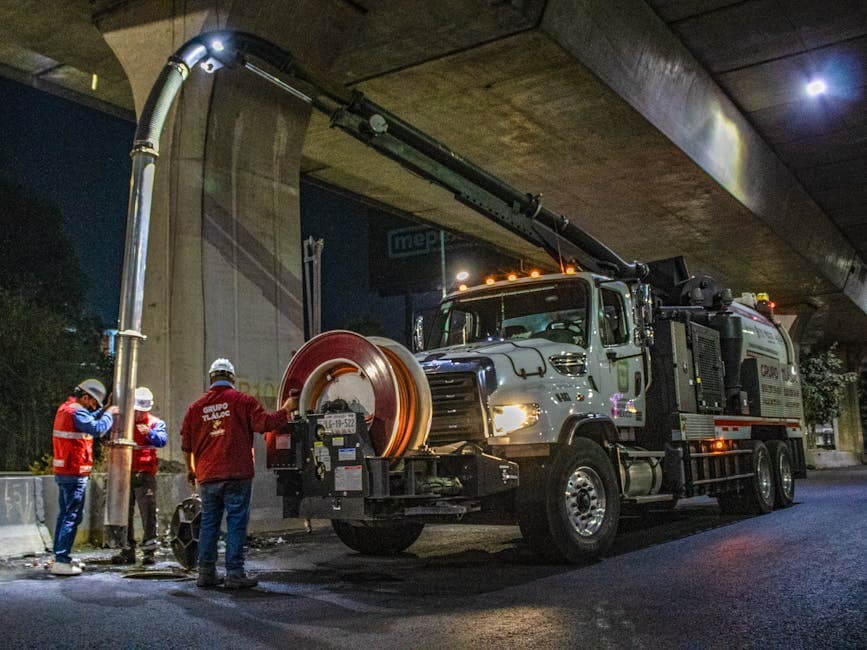
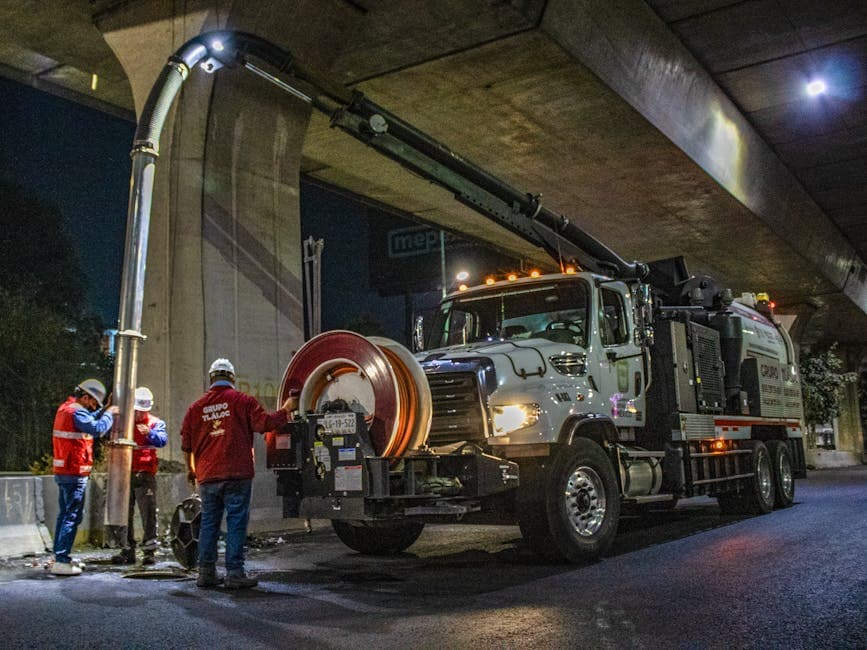
Septic pumping is the physical removal of sludge (settled solids at the bottom), scum (grease and fats on top), and liquid from your septic tank. A vacuum truck pumps everything out through the access riser, leaving the tank mostly empty. Bacteria repopulate within days and the tank returns to normal operation — with the baffle clear and fresh capacity for solids to settle.
When You Need It
Standard recommendation: pump every 3–5 years for a family of four with a 1,000-gallon tank. Smaller tanks, larger families, garbage disposal use, and heavy laundry days shorten that interval. Signs it's overdue: slow drains throughout the house, gurgling toilets, odors near the tank or drain field, or sewage backing up into lowest-level fixtures. Never wait for a backup — that usually means the tank is already past full.
Cost & Timeline
A standard 1,000–1,500 gallon tank pumping in Upstate SC runs $300–$600 including travel, disposal fees, and inspection. Larger tanks (2,000 gallons) run $500–$900. If your access lid is buried and has to be dug up, add $75–$150. Emergency same-day pumping during backups typically adds a $150–$300 emergency fee. Most pumping jobs take 30–60 minutes on site.
Why It Matters Here
Upstate SC clay soils hold moisture longer than sandy soils, which means your drain field has less margin for error. Once solids reach the drain field, they clog the gravel bed and soil pores permanently — and drain field replacement runs $5,000–$15,000. Regular pumping is the single cheapest insurance against the most expensive septic failure mode. A $500 pumping every 4 years is 30× cheaper than one drain field replacement.
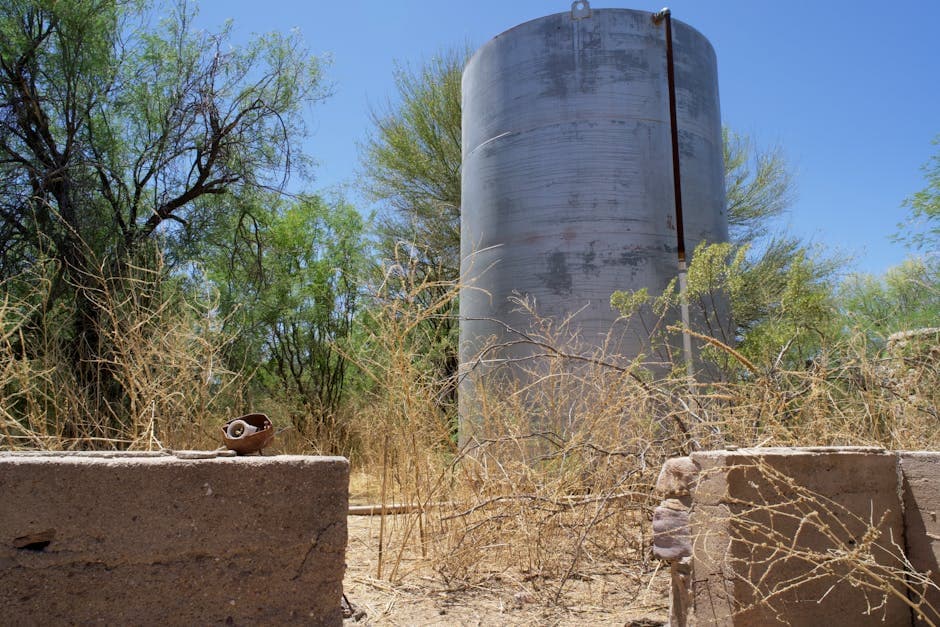
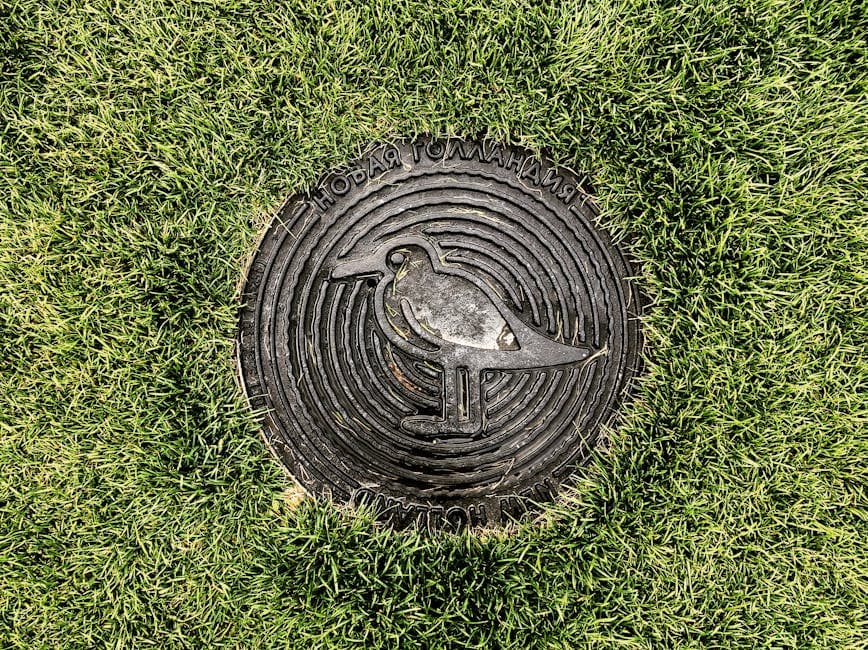
Septic Pumping Gallery
Warning
Signs
Multiple drains running slow at once
If sinks, showers, and toilets all drain sluggishly, the problem is downstream of all fixtures — your tank is full or the line from the house is restricted. Single-fixture slowness is usually a local clog; house-wide slowness points to the septic system.
Gurgling toilets or drains
Gurgling means air is pulling back through the trap because the main line can't breathe normally. A tank at capacity restricts flow and creates this backpressure.
Sewage odors outside near the tank or drain field
A properly functioning septic system should never smell. Odors mean either the tank is venting because it's over-full, or effluent is surfacing in the drain field — both require immediate pumping and inspection.
Standing water or soggy ground over the drain field
Wastewater should percolate down into the soil, not up. Surface saturation means the drain field can't absorb effluent fast enough — often because the tank let solids through and clogged the field.
Unusually lush green grass over the tank or field
Grass thrives on the nitrogen in effluent. A noticeably darker, faster-growing strip over your system is a sign that too much untreated water is reaching the root zone — the tank may be overflowing.
Sewage backing up into the lowest drain in the house
This is an emergency. Stop running water, call immediately. Basement floor drains or ground-level tubs are the first to back up when a tank is completely full.
It's been more than 5 years since your last pumping
Even without visible symptoms, overdue tanks accumulate sludge that starts carrying into the drain field. By the time you notice symptoms, damage may already be done.
Maintenance
Tips
Our
Process
Locate & Uncover Access
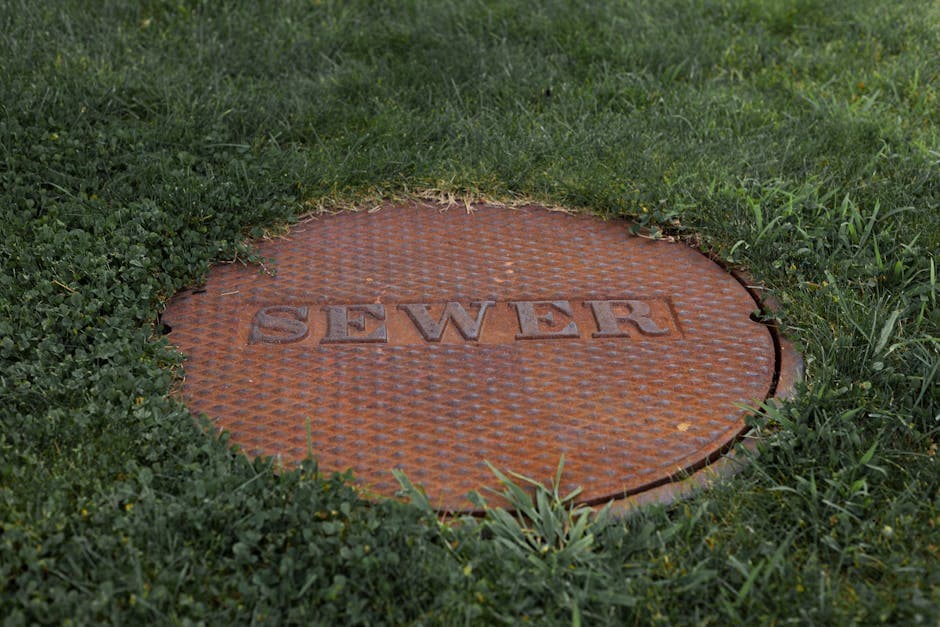
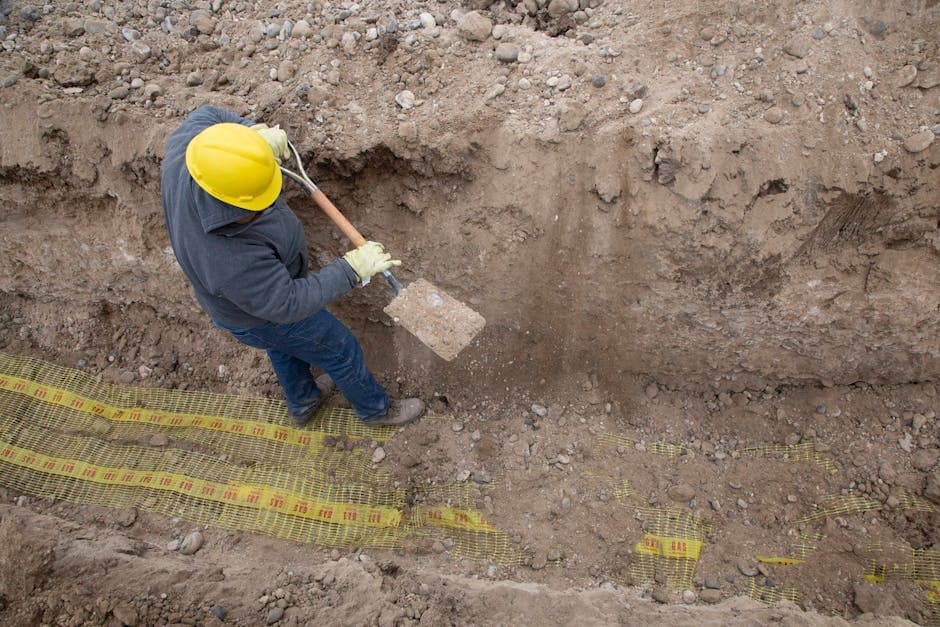
We locate your tank lid (using records, probes, or a locator device if needed) and uncover the access riser. If there's no riser, we dig down to the lid — typically 12–24 inches deep.
Pre-Pump Inspection
Before pumping, we measure sludge and scum depth, check baffle condition, and note the water level relative to the outlet. This tells us whether the tank is functioning properly or has hidden issues.
Pump the Tank
A vacuum truck removes all liquid, sludge, and scum through a 4-inch hose. The tank is agitated during pumping to break up compacted sludge and ensure everything comes out — not just the easy liquid on top.
Post-Pump Inspection
With the tank empty, we inspect the interior walls for cracks, check baffle integrity, and confirm the inlet and outlet pipes are unobstructed. Anything concerning gets photographed and documented.
Restore & Report
We seal the lid, backfill if we dug to reach it, and restore the ground. You get a written report of sludge depth, tank condition, and a recommended next-pump date based on your usage.
Cost & Lifespan
Prices are estimates for Upstate SC — get a real quote for your project.
FAQ
Explore More
Get Your
Quote
Call us directly or request a quote online. No pressure, no upselling — just honest answers about your septic pumping needs.
(864) 304-0139