
From Soil Test to Final Inspection
— One Crew, One Standard
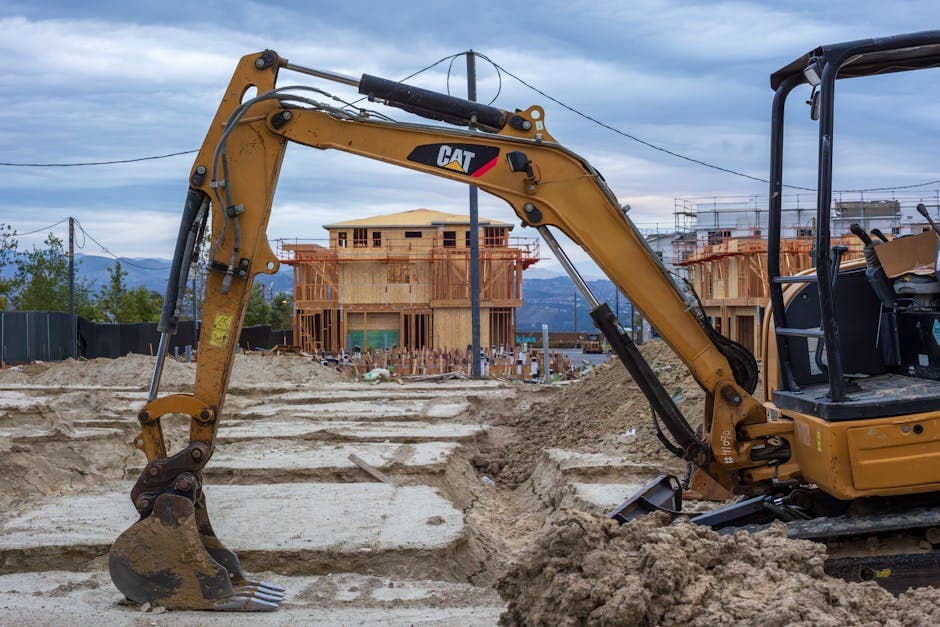
Installing a new septic system is the single most regulated part of residential construction. Soil type, slope, water table depth, setbacks from wells and property lines — every variable affects what can go in and what it costs. RO handles the full scope: soil evaluation, DHEC permitting, system design, excavation, tank and drain field installation, and final inspection.
New Septic Installation
Guide
What It Is
A new septic system installation puts in place the complete sewage treatment and disposal infrastructure for a home that isn't on municipal sewer. That includes a septic tank (usually 1,000–1,500 gallons for a 3–4 bedroom home), distribution box, and drain field (typically 200–400 feet of perforated pipe in gravel trenches). For challenging sites, systems can include lift pumps, sand filters, or engineered mound beds.
When You Need It
Three scenarios: (1) New construction on a rural lot without municipal sewer access — most common. (2) Complete system replacement when the existing system has failed beyond repair. (3) Adding a second system for an accessory dwelling, in-law suite, or workshop with plumbing. Any of these require DHEC permits, and in most cases a licensed installer like RO.
Cost & Timeline
Standard gravity-flow installation for a 3–4 bedroom home in Upstate SC runs $5,000–$15,000 all-in, including permits, soil test, tank, drain field, and labor. Sites with clay soils or poor percolation may require alternative systems (sand filters, mounds, aerobic treatment) that run $15,000–$25,000. Timeline: soil test and permitting 1–3 weeks, installation 2–5 days, DHEC inspection and backfill 1–2 additional days. Total 2–4 weeks start to finish.
Why It Matters Here
Upstate SC has a wide range of soil conditions — sandy piedmont, clay-heavy bottomland, shallow bedrock near foothills. A cookie-cutter system that works on one lot may fail on the next. Getting the right system designed for your specific site is the single biggest factor in longevity. Cheap shortcuts on installation show up 5 years later as drain field failure. RO does it right the first time.
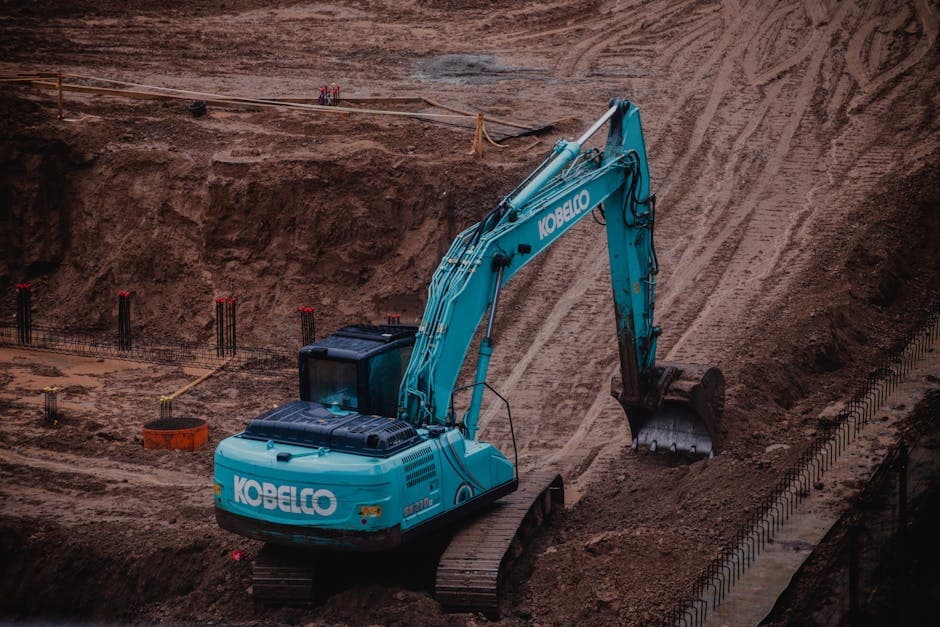
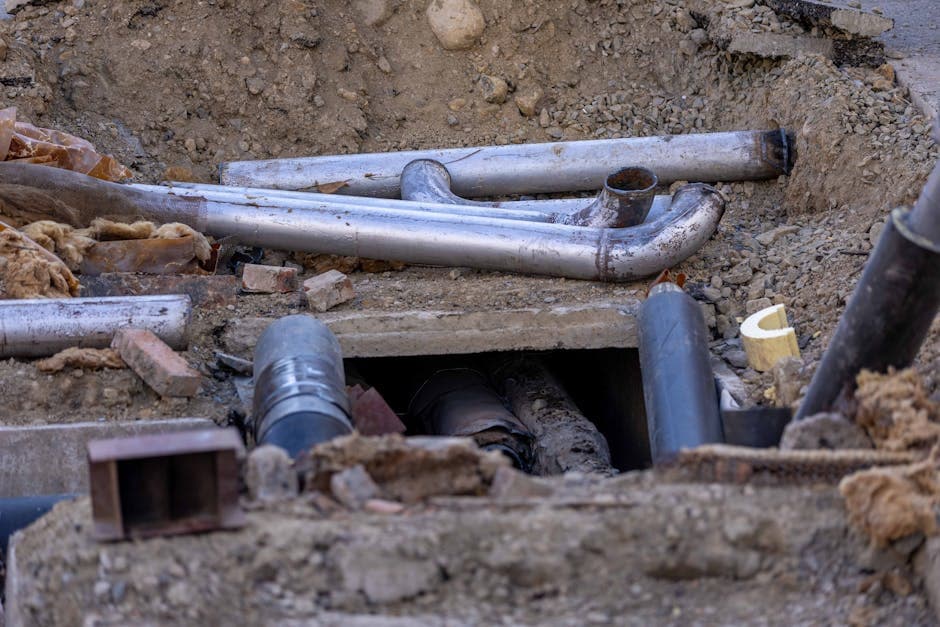
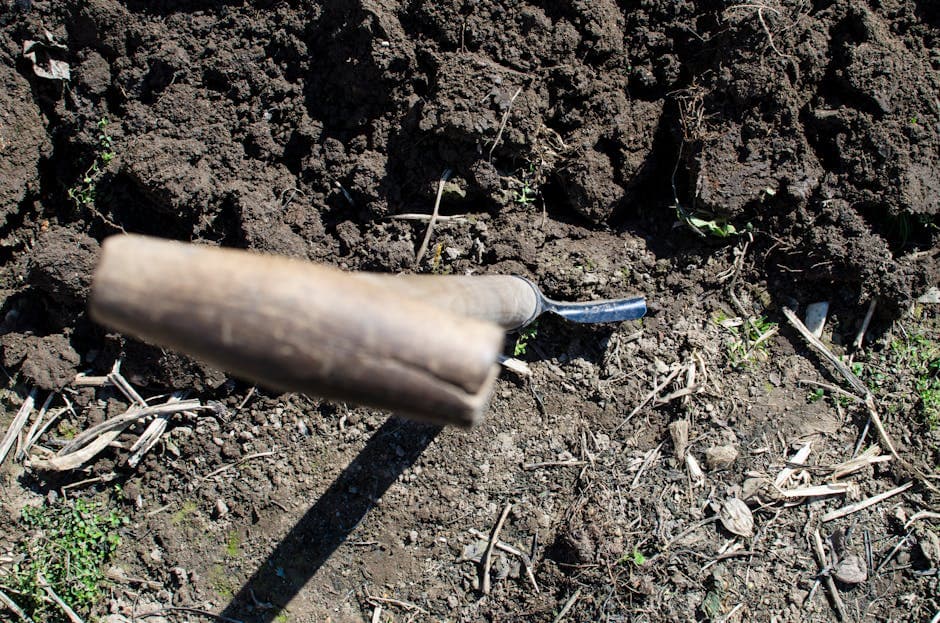
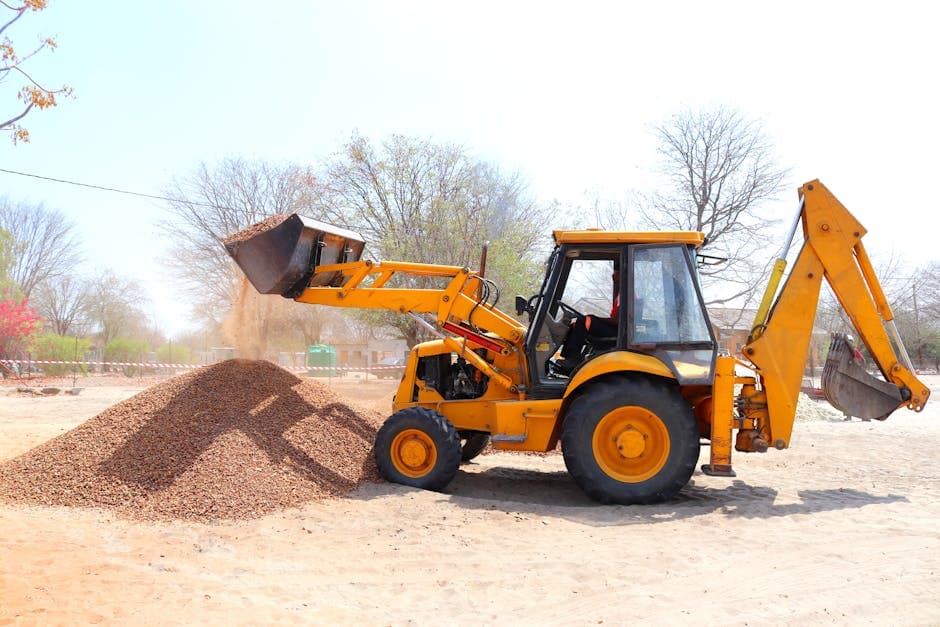
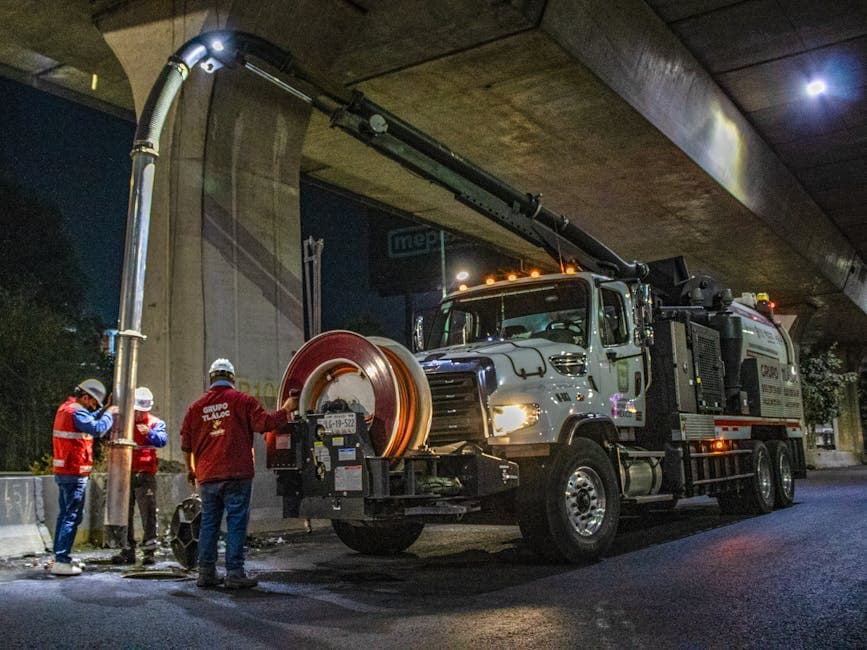
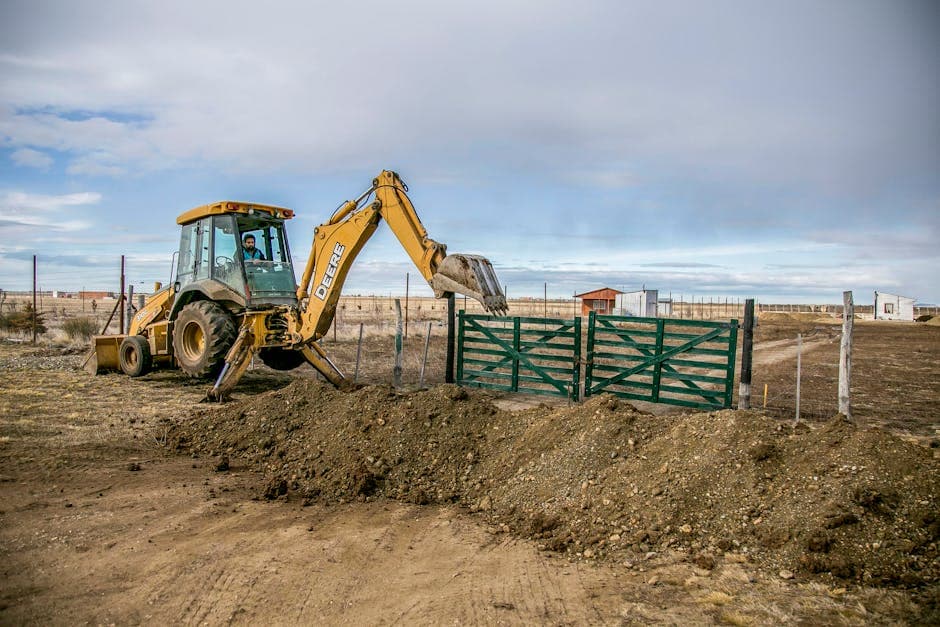
New Septic Installation Gallery
Warning
Signs
Your contractor doesn't mention a soil test
DHEC requires a perc test (percolation test) before any new system permit. If the contractor is quoting without a soil evaluation, they're either planning to skip it (illegal) or they haven't done this before.
The quote is dramatically cheaper than others
A $3,000 quote on a new system almost always means something is being skipped — smaller tank than code requires, undersized drain field, or skipped permits. Do not reward shortcuts. The permit and inspection matter.
No permit number on the quote
A legitimate installer will either have the permit in hand or include the permit fee and timeline in the quote. Work without a DHEC permit is illegal and will create problems at sale time.
You're told an "engineered system" isn't necessary on a difficult lot
If your lot has clay soils, steep slope, shallow water table, or proximity to a stream, a simple gravity-flow system may not pass DHEC. An installer steering you away from an engineered design to save money is gambling with your long-term system health.
No written warranty
Reputable installers warranty tank and drain field workmanship for at least 1 year, often 2–5 years. If warranty terms aren't written into the quote, they don't exist.
No plan for protecting the install site during construction
Other trades driving heavy equipment over a new drain field will compact the soil and destroy absorption. The installer should mark the area and coordinate with the GC to protect it.
Maintenance
Tips
Our
Process
Site Assessment & Soil Test
A certified soil classifier evaluates the site, digs test pits, and measures percolation rate. This determines what system type is permittable and where it must be located. Results inform the design.
System Design & DHEC Permit
We design the system to match soil conditions, home size, and site constraints, then submit to DHEC for permit. Approval typically takes 2–3 weeks. You receive full plans before any excavation.
Excavation & Tank Setting
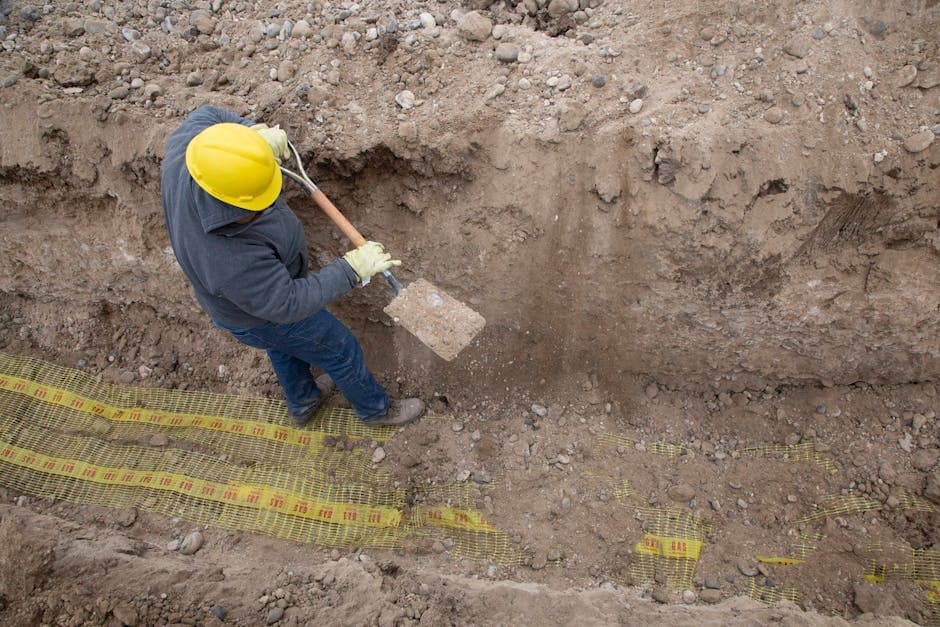
We excavate for tank and drain field, set the concrete tank on a level gravel bed, and plumb the inlet line from the house. Tank is tested for watertightness before backfill.
Drain Field Construction
Gravel trenches are dug to design specs, perforated distribution pipe is laid with correct slope, and the field is covered with filter fabric and soil. Distribution box is set and connected to tank and field.
Inspection & Backfill
DHEC inspector confirms all components meet permit specs before any covering. Once passed, we backfill, grade, and seed. You get the final inspection report and warranty documentation.
Cost & Lifespan
Prices are estimates for Upstate SC — get a real quote for your project.
FAQ
Explore More
Get Your
Quote
Call us directly or request a quote online. No pressure, no upselling — just honest answers about your new septic installation needs.
(864) 304-0139