
Know Before You Buy —
Or Before It Fails
A septic inspection is not a visual walk-around. It's a full internal assessment of tank condition, baffle integrity, drain field function, and effluent flow — the only way to know whether a system has 10 years of life left or is already failing. Required for most real estate closings with septic systems, and smart maintenance for current owners.
Septic Inspection
Guide
What It Is
A septic inspection evaluates every component of the system: tank condition, sludge and scum depth, baffle integrity, distribution box function, drain field absorption rate, and recent pumping history. A thorough inspection includes pumping the tank (so the interior can actually be seen) and running water through the house to observe flow and absorption in real time.
When You Need It
Three main scenarios: (1) Buying a home with a septic system — you should never close without one, regardless of what the seller says. (2) Selling a home — in SC, buyers increasingly demand an inspection and lenders sometimes require one. (3) Maintenance inspections — a baseline inspection every 5–10 years catches problems before they become expensive. Also essential after heavy rain events, if you notice any warning signs, or after tree roots have invaded.
Cost & Timeline
A basic visual inspection runs $150–$300 but only catches obvious failures. A proper full inspection with tank pumping, camera scoping, and drain field load test runs $400–$800. Real estate transaction inspections typically run $500–$700 and include DHEC-compatible documentation. Most inspections take 2–4 hours on site, with a written report delivered within 48 hours.
Why It Matters Here
South Carolina DHEC requires permitted septic systems but doesn't mandate regular inspections. That means failed or marginal systems often aren't discovered until they back up — which can happen years after a home is sold. Upstate SC's clay-heavy soils mean drain fields fail sooner than in sandy regions, and many rural properties have older systems approaching end-of-life. An inspection today can save a buyer from a $15,000+ post-closing surprise.
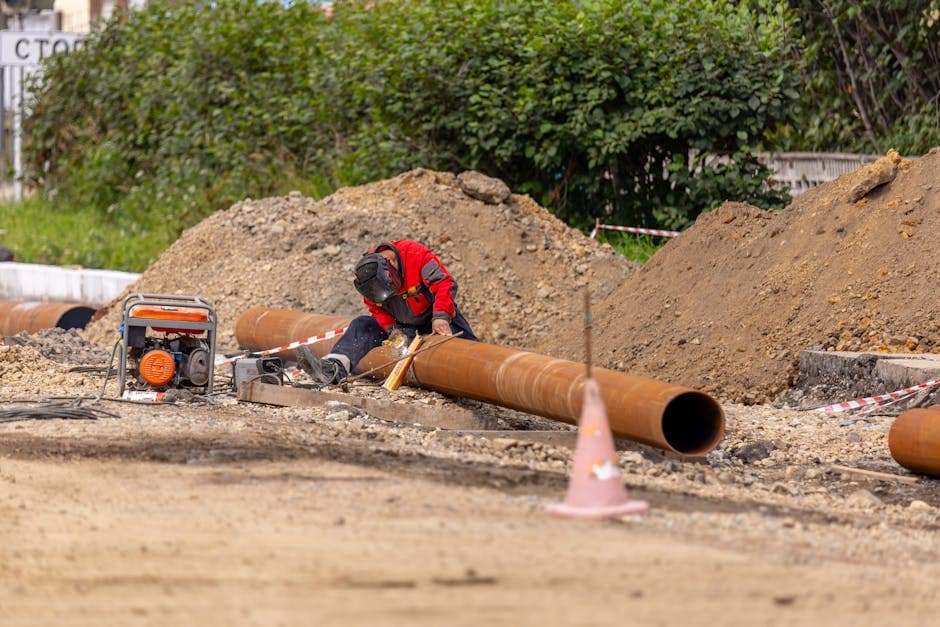
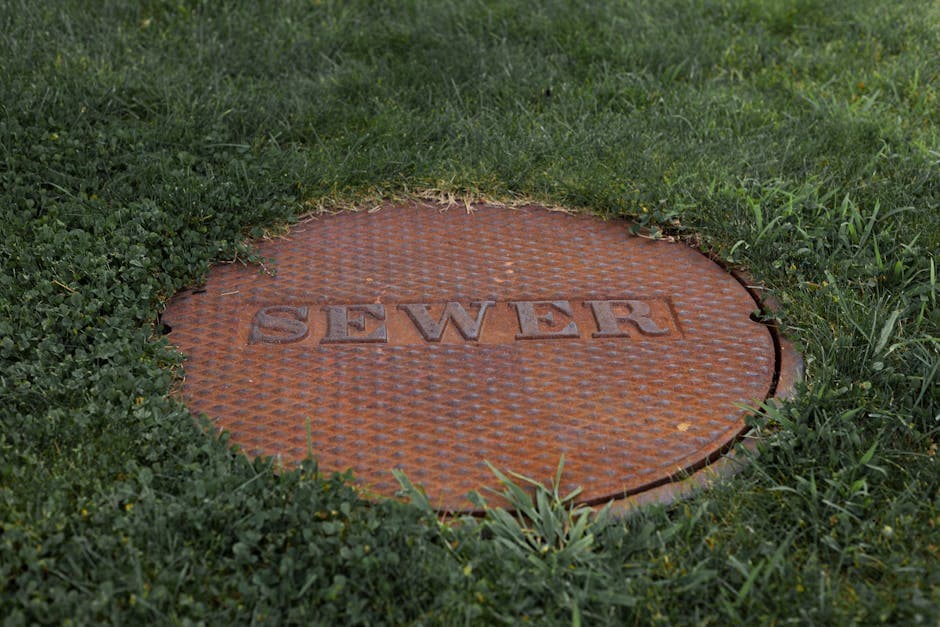
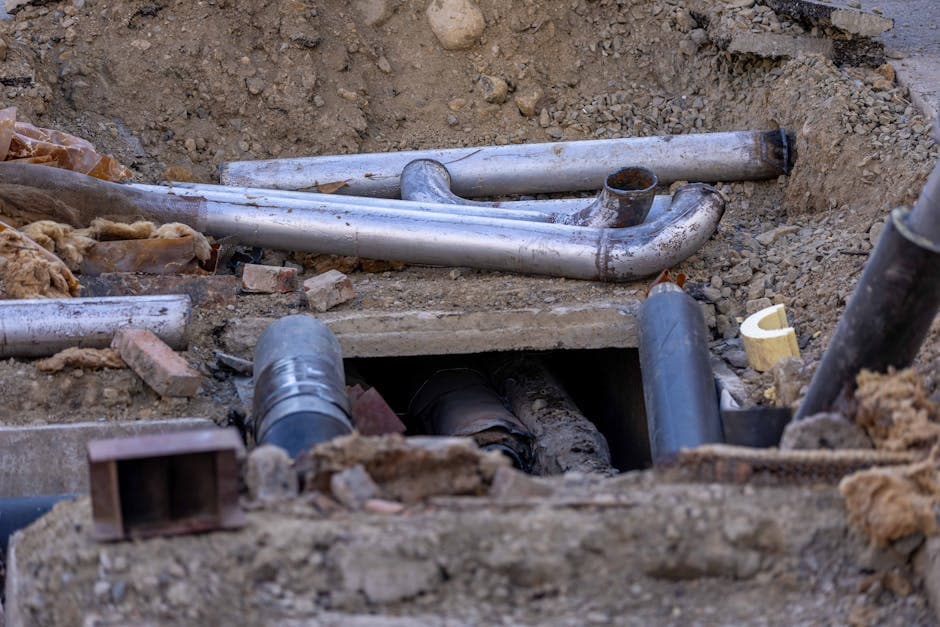
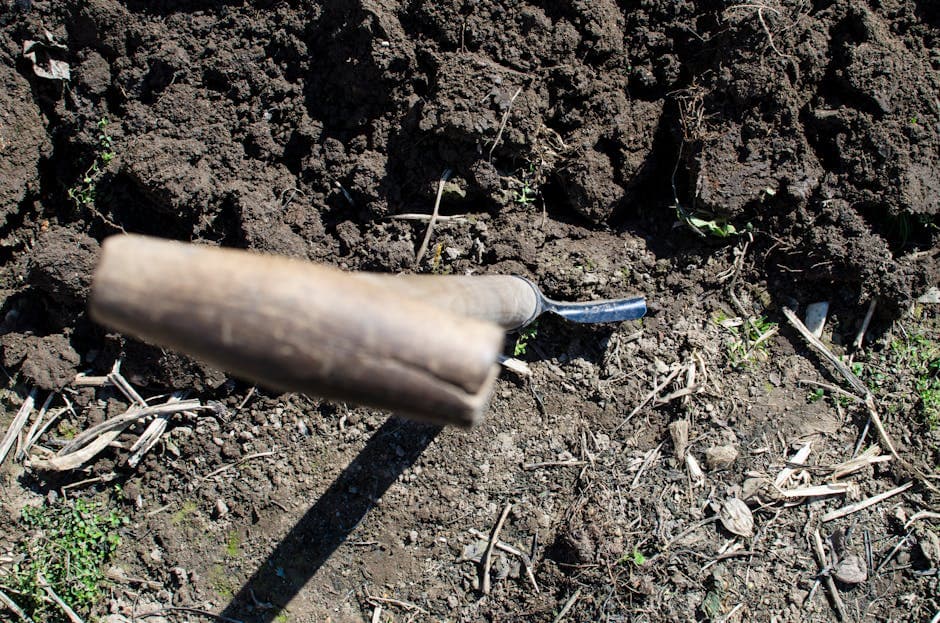
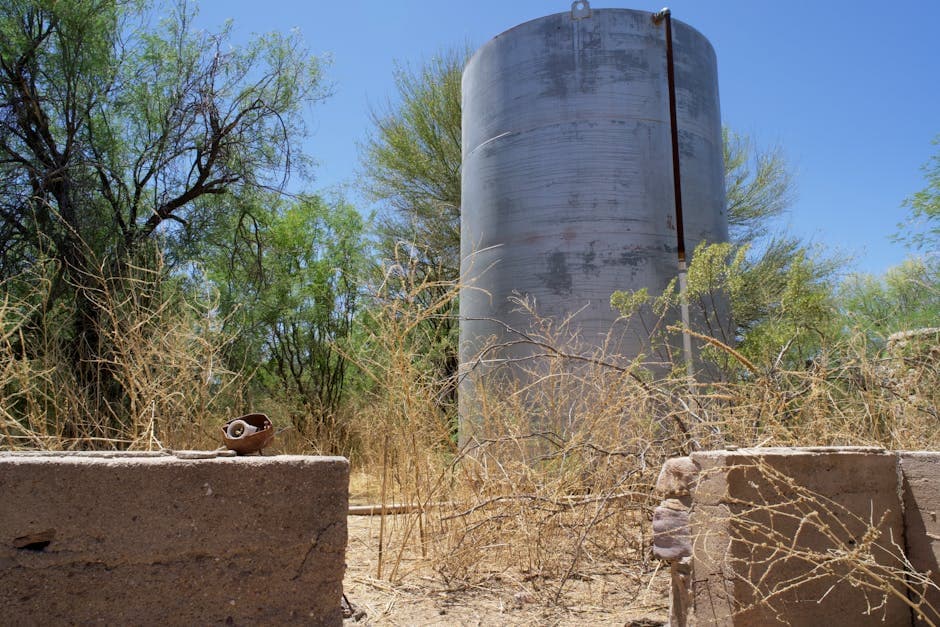
Septic Inspection Gallery
Warning
Signs
You're buying a home with septic and the seller says "it works fine"
"Works fine" is not a diagnosis. It means water goes down. A failing system can still pass water until it doesn't — and then you own the problem. Get an independent inspection every time.
No pumping records for the last 5+ years
If the seller can't produce records, assume the system hasn't been maintained. An inspection reveals whether sludge depth is dangerous and whether damage has already occurred.
The system is over 20 years old
Average septic system lifespan is 25–40 years. Tanks older than 20 years warrant inspection to check for cracks, root intrusion, and baffle deterioration before problems escalate.
Unknown system location or age
Rural properties sometimes have systems the current owner never located. A professional inspection finds the tank, assesses its age, and determines whether it's still on a permit (required for some transactions).
Visible signs: odors, soft ground, slow drains
Any visible symptom means an inspection is overdue. Catching a failing system before complete failure often means a $3,000 repair instead of a $15,000 replacement.
Recent heavy construction or landscaping over the system
Driving heavy equipment, adding fill dirt, or installing pools, decks, or driveways over a system can crack tanks and compress drain fields. Inspection confirms whether damage occurred.
Maintenance
Tips
Our
Process
Record Review & Location
We pull DHEC records when available, interview the homeowner about maintenance history, and locate the tank using records, probes, or electronic locators. Every component is noted on a site diagram.
Tank Assessment
We open the tank, measure sludge and scum, and inspect baffles. If the tank is due for pumping, we coordinate that first so we can actually see the tank walls, inlet and outlet tees, and identify cracks or damage.
Flow & Load Test
We run water through the house — sinks, tubs, washing machine — for 15–30 minutes while watching effluent flow through the distribution box (if accessible) and observing drain field absorption. This catches restrictions pumping alone won't show.
Drain Field Survey
We walk the drain field looking for wet spots, odors, depressions, or unusually green vegetation. Where practical, we probe the soil to confirm absorption is happening below the surface, not above.
Written Report
You receive a detailed written report with photos, sludge/scum measurements, component condition, and a specific remaining-life estimate. For real estate transactions, we provide DHEC-compatible documentation.
Cost & Lifespan
Prices are estimates for Upstate SC — get a real quote for your project.
FAQ
Explore More
Get Your
Quote
Call us directly or request a quote online. No pressure, no upselling — just honest answers about your septic inspection needs.
(864) 304-0139