
The Hidden System That
Makes Everything Else Last
Roof ventilation is the most overlooked component in a roofing system — and in our heat and humidity, it might be the most important. Proper attic ventilation reduces cooling costs by up to 30%, prevents moisture damage that destroys roofs from the inside out, and can extend your roof's lifespan by years.
Roof Ventilation
Guide
What It Is
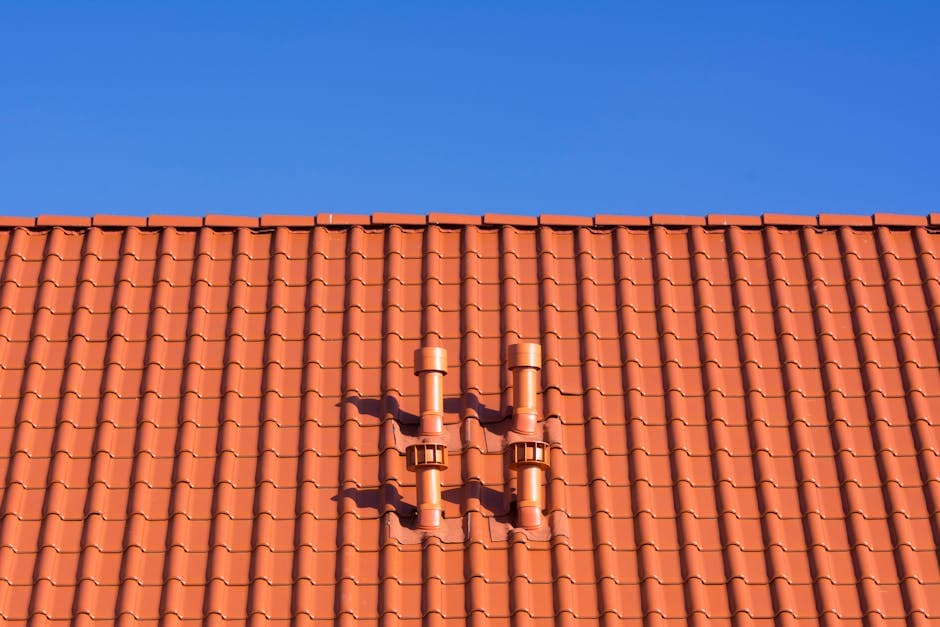
Roof ventilation is a balanced system of intake vents (typically soffit vents along the eaves) and exhaust vents (ridge vents at the peak, box vents, or powered attic fans) that creates continuous airflow through your attic. Cooler outside air enters through soffit vents, flows upward across the underside of the roof deck as it warms, and exits through exhaust vents at the highest point — removing both heat and moisture.
Why It Matters So Much Here
An unventilated Upstate SC attic can reach 150–160 degrees in summer, literally cooking your roof from the inside. That trapped heat degrades shingle adhesives, underlayment, and decking while radiating into your living space. Balanced ventilation reduces attic temperatures by 20–30 degrees and cuts cooling costs by up to 30%. In our humid climate, moisture is equally destructive — condensation on the cold underside of the roof deck causes mold, wood rot, and metal corrosion.
Types of Ventilation
Ridge vents run along the entire peak providing the most uniform exhaust when paired with continuous soffit vents. Box vents are individual exhaust points near the ridge. Powered attic fans actively pull air through the attic. The key is balance: intake area (soffit vents) should equal or slightly exceed exhaust area. Building code requires a minimum of 1 square foot of net free ventilation per 150 square feet of attic floor.
Cost vs. Consequence
Ridge vent installation runs $300–$900. Soffit vents average $315–$465. A complete balanced system costs $600–$1,400 — a fraction of the premature roof replacement, mold remediation, or HVAC strain that inadequate ventilation causes. Every single premature roof failure we've diagnosed in 25 years has had a ventilation component.
Warning
Signs
Upstairs rooms noticeably hotter than downstairs in summer
Trapped attic heat is radiating into your living space because it has no way to escape.
Energy bills increased without explanation
Your HVAC is fighting trapped attic heat, working harder and costing more to maintain comfortable temperatures.
Moisture, condensation, or frost on attic surfaces
Water on the underside of the roof deck, on rafters, or on nails means moisture is condensing because ventilation isn't moving it out.
Musty odors upstairs or when HVAC runs
Mold and mildew growing in the attic due to trapped moisture, distributed through your ductwork.
Rusted nails, connectors, or HVAC components in the attic
Moisture from inadequate ventilation corrodes metal — both a structural and health concern.
Wavy, warped, or sagging roof decking
Prolonged moisture exposure causes plywood and OSB to delaminate and lose structural integrity.
Peeling exterior paint on gable ends or near soffit
Moisture escaping from an improperly ventilated attic pushes through walls and causes paint failure.
Maintenance
Tips
Our
Process
Ventilation Assessment
We calculate attic square footage, measure existing intake and exhaust capacity, check for blocked vents, inspect for moisture damage, and identify ventilation short-circuits. Compared against code and manufacturer specs.
System Design
Based on assessment, we design a balanced plan — typically continuous ridge vent paired with continuous soffit vents. For complex roofs, we may incorporate box vents or powered solutions. Exact vent specs calculated for the 1:150 or 1:300 ratio.
Installation
Ridge vents: slot cut along the ridge, vent installed, capped with ridge shingles. Soffit vents: openings cut in soffit panels. Insulation baffles installed at every rafter bay to maintain the air channel. All work to code.
Verification
Balanced airflow confirmed — all intake and exhaust vents functioning, baffles properly placed, no existing conditions undermining the new system.
Homeowner Education
We walk you through what was installed, explain how the system works, and point out what to watch for during routine inspections. Proper ventilation only works if it stays unobstructed.
Cost & Lifespan
Prices are estimates for Upstate SC — get a real quote for your project.
FAQ
Explore More
Get Your
Quote
Call us directly or request a quote online. No pressure, no upselling — just honest answers about your roof ventilation needs.
(864) 304-0139