
The Foundation of Every
Modern Electrical System
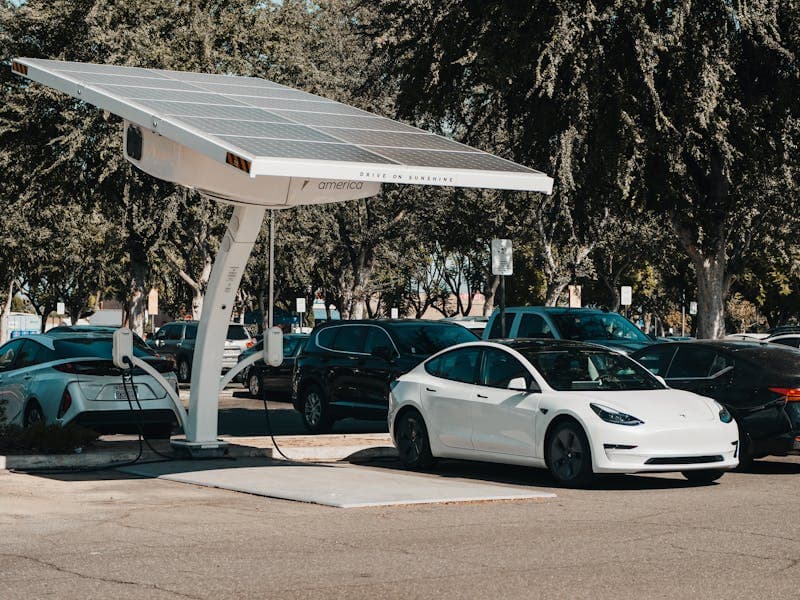
Your electrical panel is the heart of your home's power system. If it can't keep up with modern demands — EV chargers, heat pumps, smart appliances — everything downstream suffers. RO's licensed electricians handle upgrades from 100A to 200A and beyond, with full permitting, inspection, and code compliance.
Panel Upgrades
Guide
What It Is
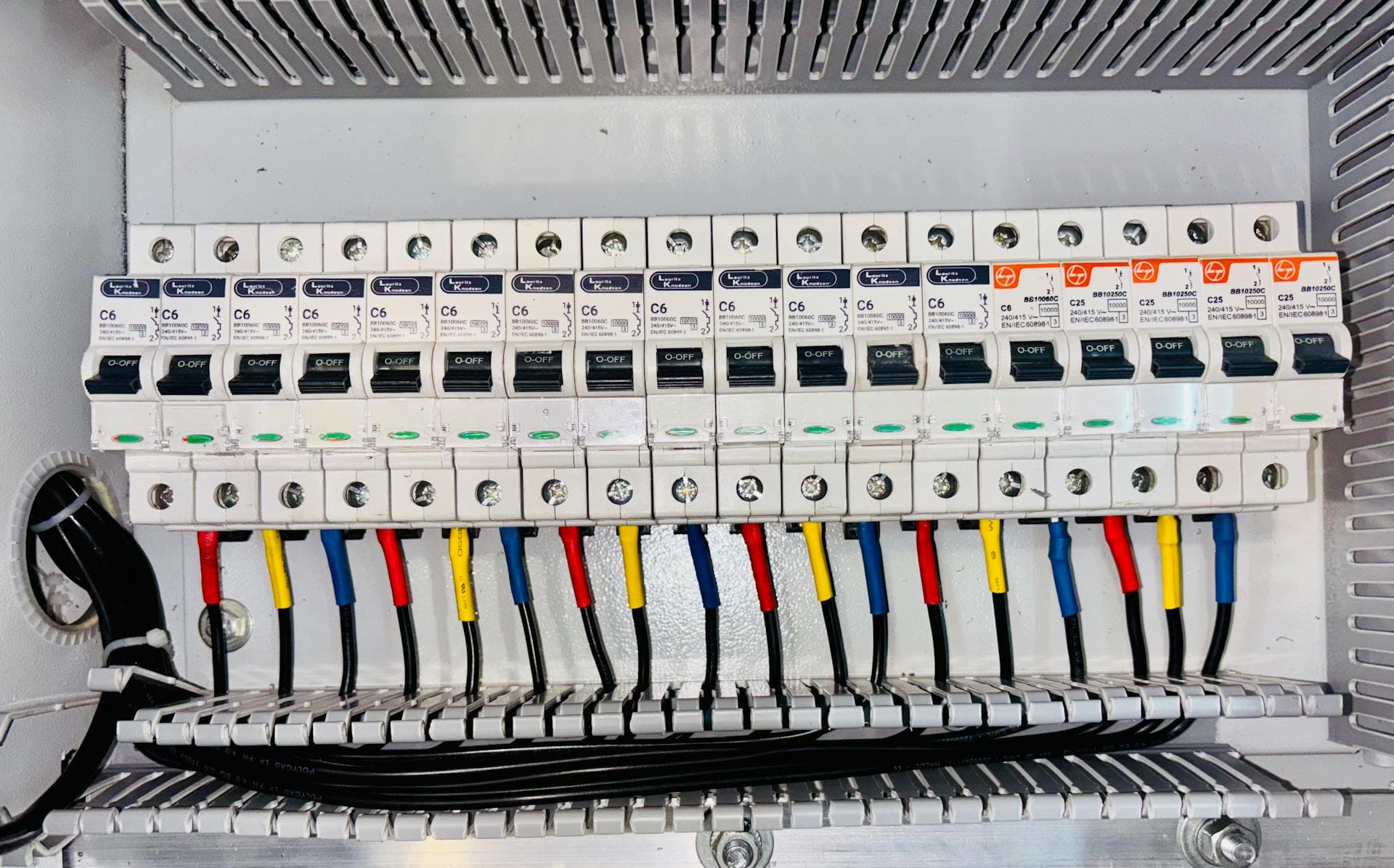
An electrical panel upgrade replaces your home's main breaker panel — the metal box where all your circuits originate — with a higher-capacity unit. Most older homes have 100-amp panels, which were adequate when homes had fewer appliances. Modern homes with central AC, EV chargers, hot tubs, and electric ranges need 200 amps or more. The upgrade involves replacing the panel, breakers, and often the service entrance cable from the utility meter.
When You Need It
The most common triggers: you're adding an EV charger (requires a dedicated 40-60A circuit), installing a heat pump or tankless water heater, renovating with additional circuits, or your current panel is a Federal Pacific or Zinsco brand (both recalled for fire risk). If your breakers trip frequently, your lights flicker when appliances cycle, or you still have a fuse box, an upgrade isn't optional — it's overdue.
Cost & Timeline
A standard 100A to 200A upgrade runs $1,500–$3,500 in Upstate SC, including the panel, breakers, labor, permit, and inspection. Homes requiring a new service entrance from the meter or utility coordination add $500–$1,500. A 400A upgrade (typically two 200A panels) for large homes with heavy loads runs $8,000–$12,000. Most upgrades are completed in one day — your power is off for 4–8 hours during the swap.
Why It Matters Here
South Carolina summers push HVAC systems hard, and more homeowners are adding EV chargers, pool pumps, and workshop circuits. A 100A panel can't safely handle these loads simultaneously. Beyond capacity, older panels may not meet current NEC code requirements for arc-fault (AFCI) and ground-fault (GFCI) protection — both of which are enforced during any permitted electrical work in SC.
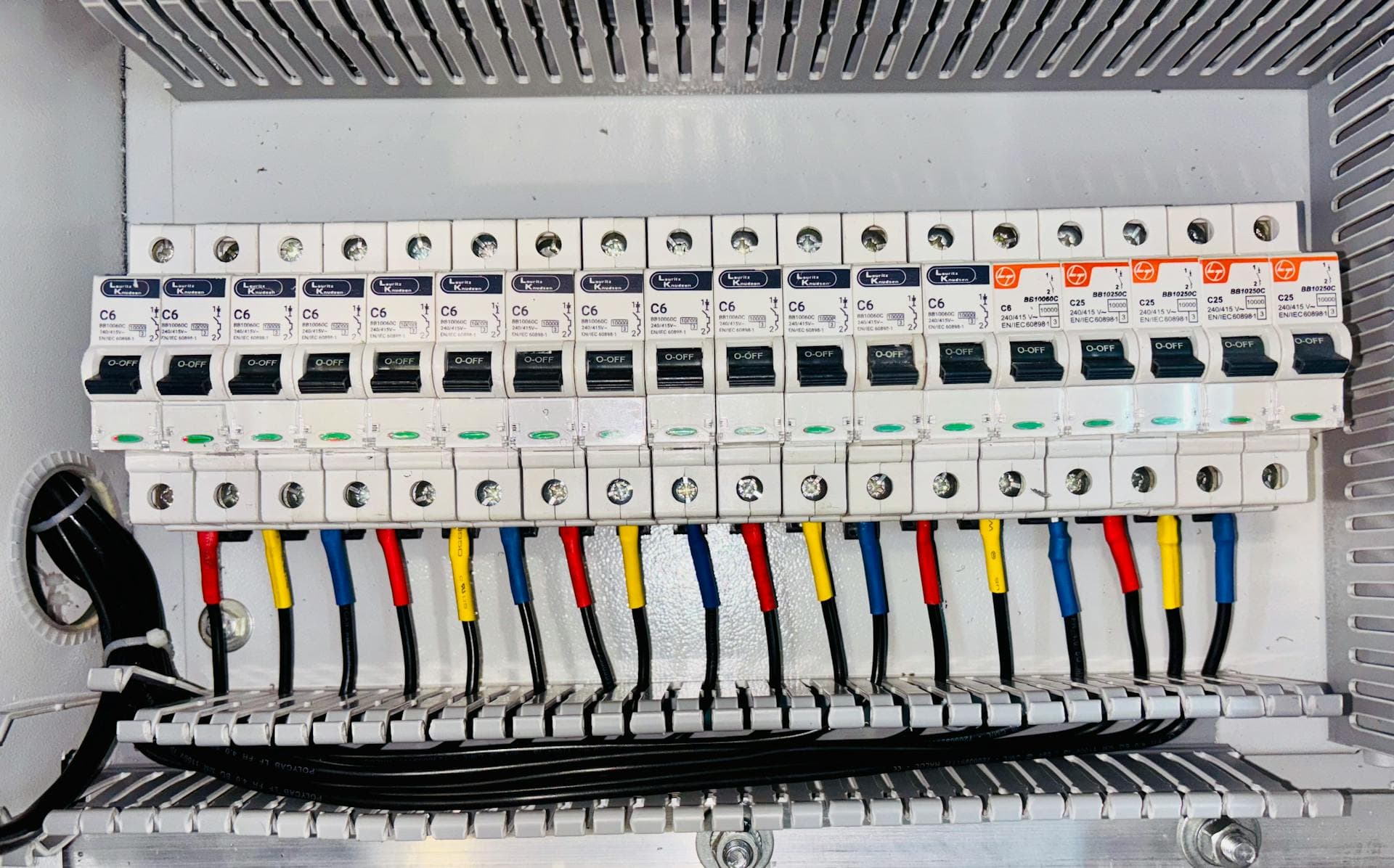
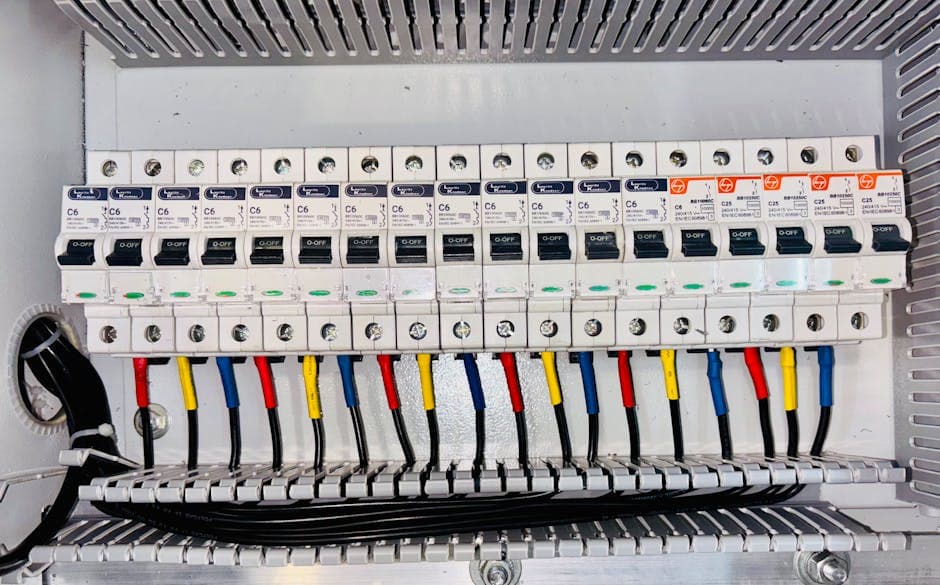
Panel Upgrades Gallery
Warning
Signs
Breakers tripping frequently on the same circuit
A breaker that trips repeatedly is telling you the circuit is overloaded or the breaker itself is failing. This is the most common sign your panel can't handle your home's electrical load.
Flickering or dimming lights when appliances turn on
When your AC, dryer, or microwave pulls power and your lights dip, the panel is being pushed to its limits. Voltage drops across an overtaxed panel affect every circuit.
Warm or hot panel cover
Heat on the panel enclosure means connections inside are loose or corroding, creating resistance and heat. This is a fire hazard requiring immediate attention.
Burning smell near the panel
Melting wire insulation or overheated connections. Shut off the main breaker and call immediately — this is an emergency.
You still have a fuse box
Fuse boxes haven't been installed since the 1960s. They lack modern safety features and can't be expanded for new circuits. Insurance companies increasingly refuse to cover homes with fuse boxes.
Panel is Federal Pacific or Zinsco brand
Both brands have documented failure rates where breakers don't trip during overloads. The Consumer Product Safety Commission linked Federal Pacific panels to thousands of fires. Replacement is strongly recommended regardless of symptoms.
Corrosion or rust visible on the panel
Moisture has entered the enclosure. Corroded bus bars and connections create hot spots and unreliable breaker operation.
You're planning to add an EV charger, hot tub, or major appliance
A Level 2 EV charger alone needs 40–60 amps. If your panel is already near capacity, adding large loads without upgrading risks chronic overloading.
Maintenance
Tips
Our
Process
Assessment & Load Calculation
We evaluate your current panel, calculate your home's total electrical load (existing + planned additions), and determine the right amperage. You get a written estimate with full scope.
Permit & Utility Coordination
We pull the electrical permit and coordinate with your utility company for the service disconnect. No shortcuts — permitted work protects your home's value and insurance coverage.
Panel Swap
We disconnect power, remove the old panel, install the new panel with properly sized breakers, and reconnect all circuits. Service entrance cable is replaced if undersized.
Testing & Labeling
Every circuit is tested for proper voltage, grounding, and breaker function. We label every circuit clearly and verify AFCI/GFCI protection where code requires it.
Inspection & Energize
The local inspector verifies our work meets NEC code. Once passed, power is restored and we walk you through your new panel — what each breaker controls, how to test safety features, and when to call us.
Cost & Lifespan
Prices are estimates for Upstate SC — get a real quote for your project.
FAQ
Explore More
Get Your
Quote
Call us directly or request a quote online. No pressure, no upselling — just honest answers about your panel upgrades needs.
(864) 304-0139